News, Opinion — November 18, 2025
Designing with Country Handbook
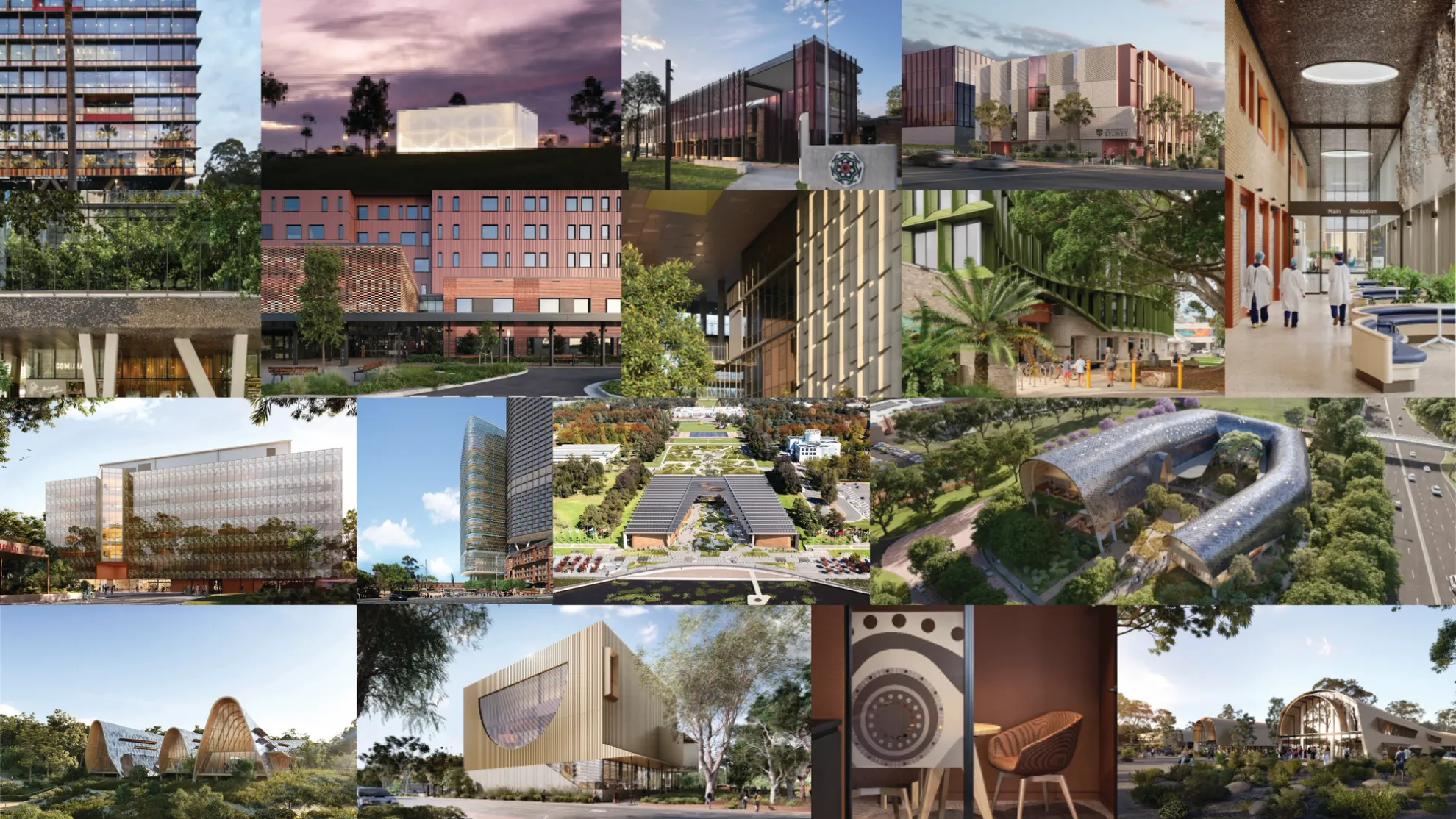
We've been refining our Designing with Country framework which informs the way engage with First Nations cultures. By way of demonstration we've published our 2025 Designing with Country Handbook.
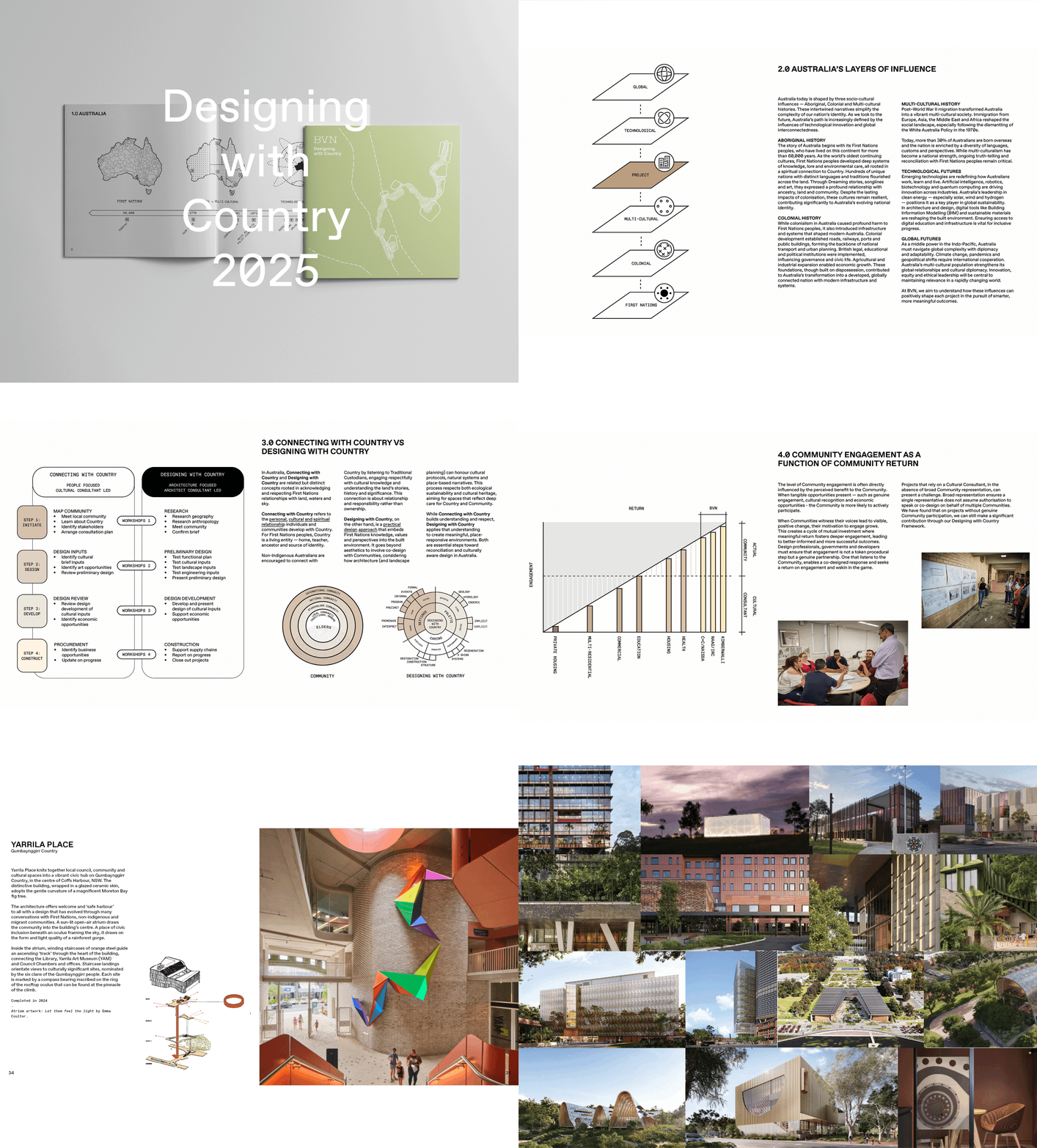
Our Designing with Country handbook catalogues our understanding, process, and how our Designing with Country framework has influenced recently completed projects, as well as those currently under construction and in development. Each of the 22 projects in our handbook has benefited from the support of First Nations Communities, clients and consultants, who bring a unique perspective specific to each context. This support elevates cultural ambitions and aligns with our vision of collective creativity to design a better future.
We are pleased to share this document as a snapshot of our journey through recent experiences and hope our actions contribute to advanced outcomes for First Nations peoples.
Kevin O'Brien, Principal BVN
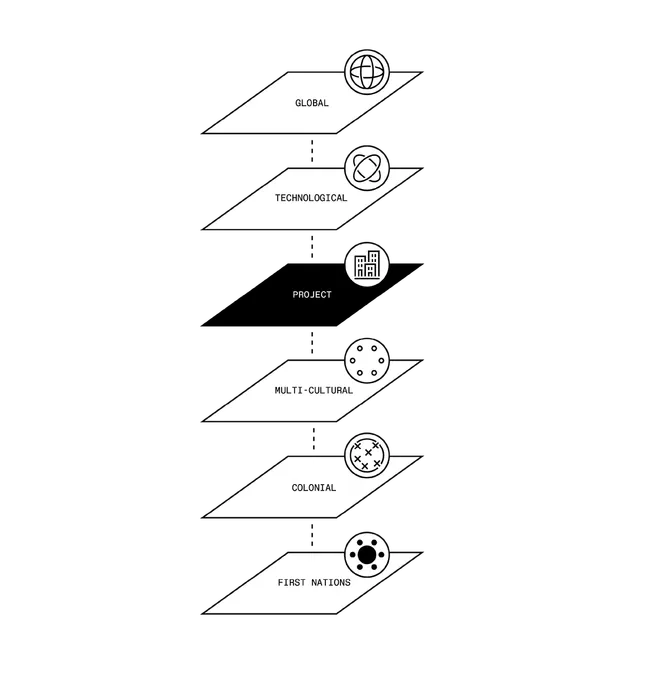
Australia today is shaped by three socio-cultural influences — First Nations, Colonial and Multi-cultural histories. These intertwined narratives simplify the complexity of our nation's identity. As we look to the future, Australia's path is increasingly defined by the influences of technological innovation and global interconnectedness.
The First Nations Layer acknowledges and engages with the Community to understand aspirations and the characteristics of Country and culture.
The Colonial Layer draws upon the economic networks and hard infrastructure that have shaped the urban landscape of the present day.
The Multicultural Layer acknowledges the modern multicultural history and vibrancy of the locale.
The Technological Layer recognises that harnessing current technology is essential for future-proofing.
The Global Layer seeks to both benchmark the project as an exemplar and cement its relevance on the world stage.
Through our experience and practice, we recognise that ‘Connecting with Country’ and ‘Designing with Country’ are both essential steps toward reconciliation. These two related, yet distinct concepts are rooted in acknowledging and respecting First Nations' relationships with land, waters, and sky. ‘Connecting to Country’ refers to the personal, cultural and spiritual relationships with Country. People-focused and cultural consultant-led, the Connecting to Country process builds understanding and respect for Country.
Designing with Country, on the other hand, is a practical design approach that embeds First Nations knowledge, values and perspectives into the built environment. It goes beyond aesthetics to involve co-design with Communities, considering how architecture (and landscape planning) can honour cultural protocols, natural systems and place-based narratives. Architecture-focused and architect-led, Designing with Country applies an understanding of Country to create meaningful, place-responsive environments.
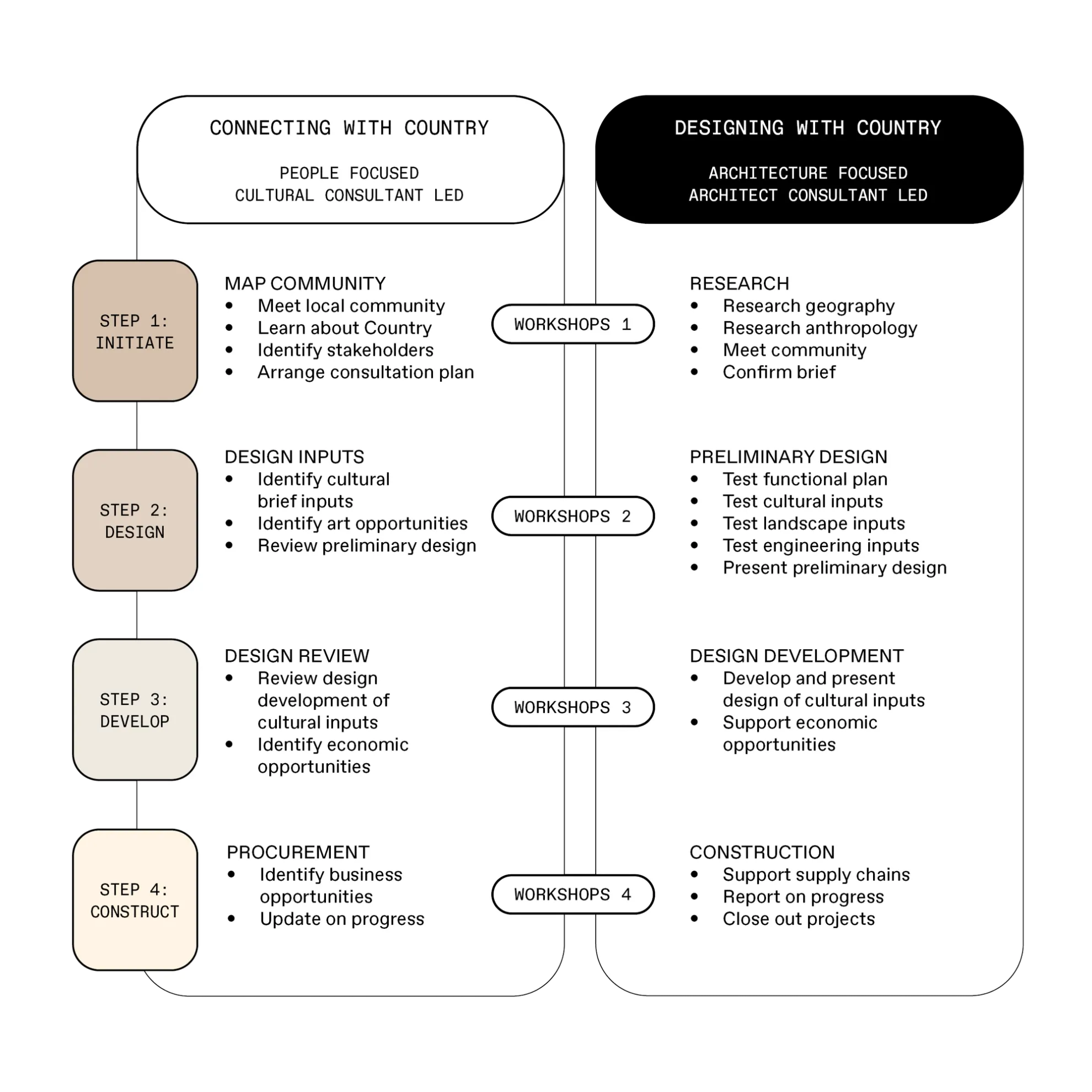
Designing with Country in the context of a building is architect-led. What we are doing as architects is not just bringing together that cultural layer – we are synthesising all the conditions through the design and management of a project towards a meaningful built outcome.
Kevin O'Brien, Principal BVN
Yarrila Place
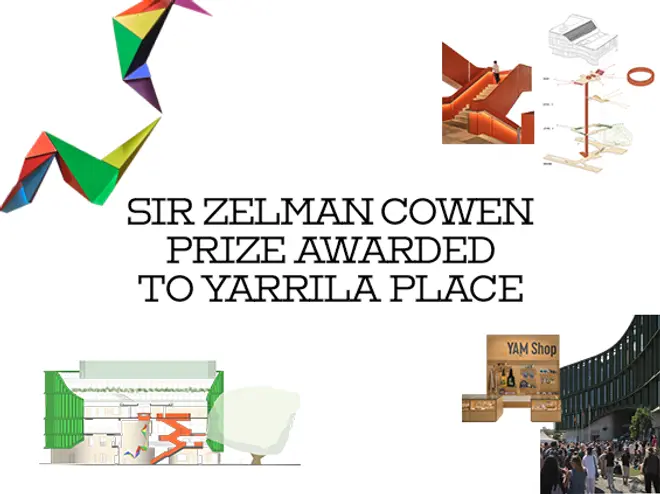
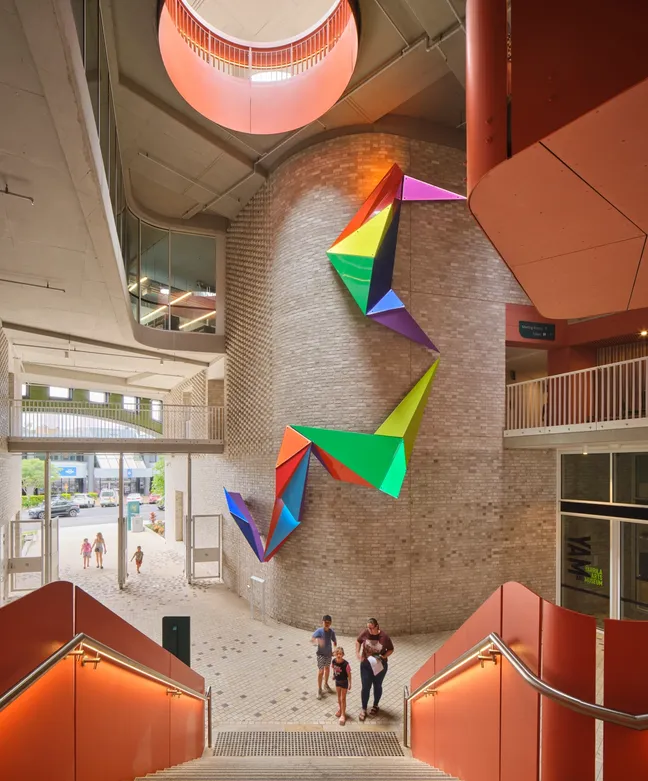
Yarrila Place knits together local council, community and cultural spaces into a vibrant civic hub on Gumbaynggirr Country, in the centre of Coffs Harbour, NSW.
The architecture offers welcome and ‘safe harbour’ to all with a design that has evolved through many conversations with Indigenous, non-Indigenous and migrant communities. A sun-lit open-air atrium draws the community into the building’s centre.
Inside the atrium, winding staircases of orange steel guide an ascending ‘track’ through the heart of the building, connecting the Library, Art Museum (YAM) and Council Chambers and offices. Staircase landings orientate views to culturally significant sites, nominated by the six clans of the Gumbaynggirr people.
Brisbane South State Secondary College
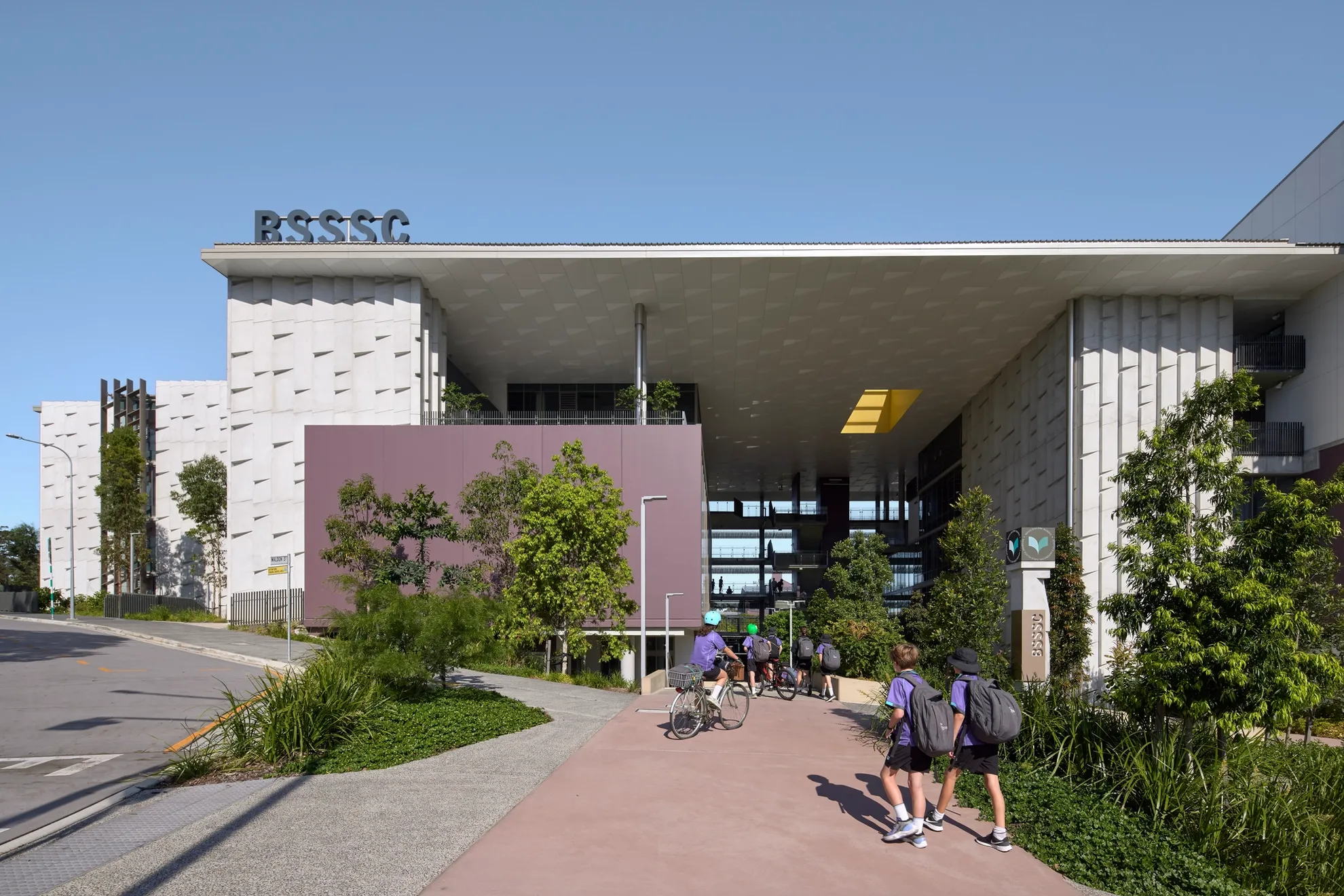
Brisbane South State Secondary College on Yuggera/Jagera and Turrbal Country is a new vertical campus and public high school serving the growing population of Brisbane’s Inner South. Part of Brisbane’s Knowledge Corridor, the campus fosters an environment of learning and engagement that strengthens connections to surrounding industries, communities, landscapes and Country.
Historically a place of rest, making and weaving for First Nations people, the design acknowledges Indigenous cultural practices through abstractions created in the building’s fabric. Marked concrete represents the carving and notching by tools, forming a pattern repeated at scale on precast walls. Metalwork used in balustrades and sunshades is detailed as woven and spun, animating the galleries that connect all floors and encircle the central landscape.
Canberra Hospital Expansion
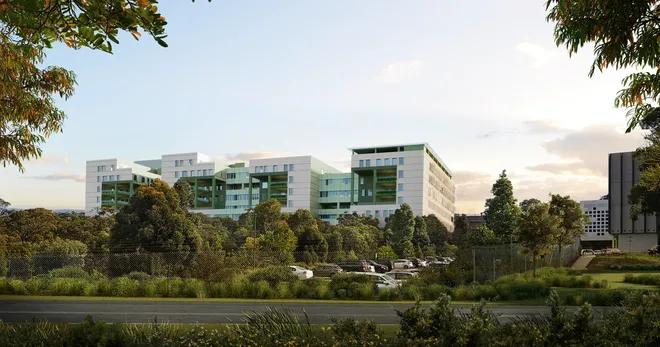
The new Canberra Hospital Expansion on Ngunnawal and Ngambri Country balances the needs of patients, carers and staff in a community-centred health facility.
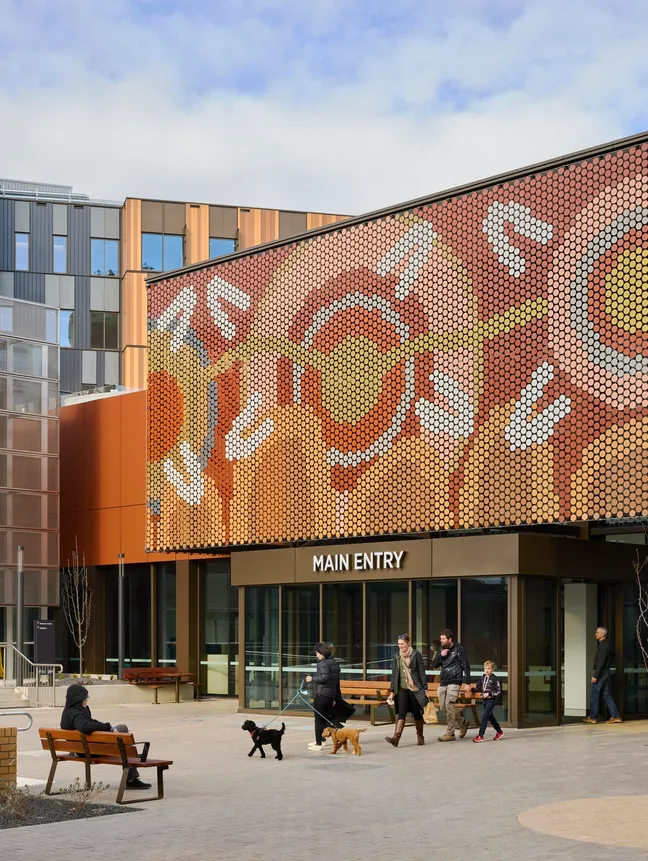
A testament to the benefits of deep community consultation, gathering spaces, family rooms and the Aboriginal and Torres Strait Islander Lounge have been shaped by First Nations engagement. Large windows frame views to culturally significant sites of Ngunnawal Country, whose landscapes informed the façade colour palette.
The contribution of First Nations artists is central to the design. Ngunnawal, Wiradjuri, and Kamilaroi artist Lynnice Church created the Welcome Hall Veil, titled Journey of Healing, translated into a pixelated facade by the design team. Inside the Welcome Hall, Ngunnawal artist Bradley Mapiva-Brown pays homage to sacred woodlands with the artwork Ngala Dhawura - Country of Many Trees.
By embedding Designing with Country into our multi-layered design approach we open ourselves and our clients to the potential of learning from First Nations communities. What better way to understand the cultural tapestry that will take us into the future than acknowledging the ancient origins of Country.