Closed Loop
If we’re serious about achieving net zero by 2050, we must save our finite materials from landfill by embracing the circular economy.
Today’s linear economy is cheating our future. Evidence is mounting on the negative impacts of waste on health, the climate and our natural ecosystems.1
39% of Australia’s waste is generated by the construction and demolition waste stream.
The linear economy follows a straightforward path: take, make, use, and dispose. It assumes endless resources and limitless space for waste, neither of which exists. This one-way system drives the overextraction of raw materials, accelerates climate change through energy-intensive production and generates massive amounts of waste that end up in landfills and oceans. It’s wasteful by design, locking us into a cycle of pollution, lost value, and environmental harm
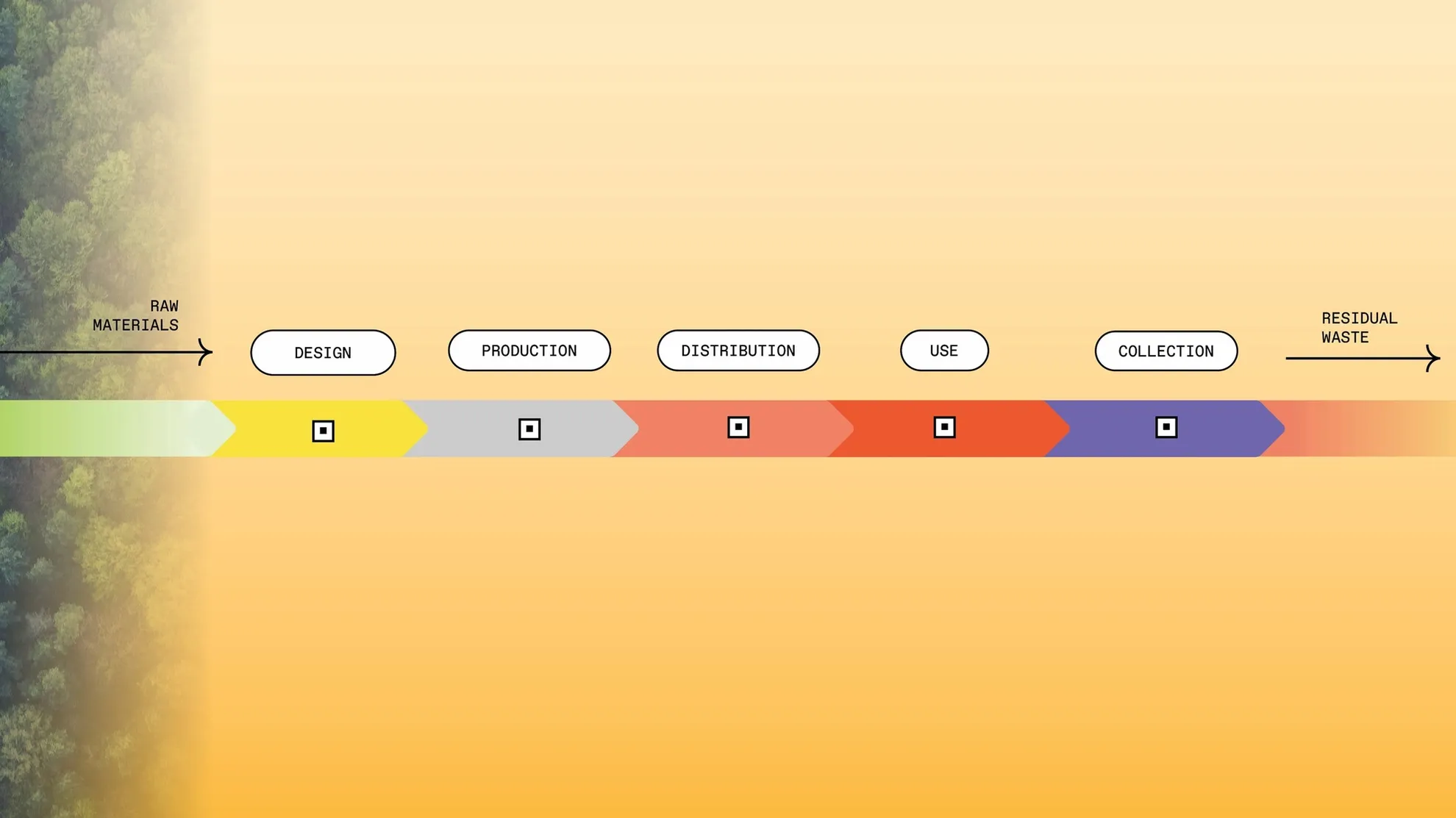
A circular economy makes the most of our resources and is a key enabler for the construction industry to meet our 2050 climate goals. 2 Instead of treating materials as disposable, we can eliminate waste and pollution; keep materials circulating at their highest possible value through reuse, repair, remanufacture and recycling; and regenerate natural systems. 3
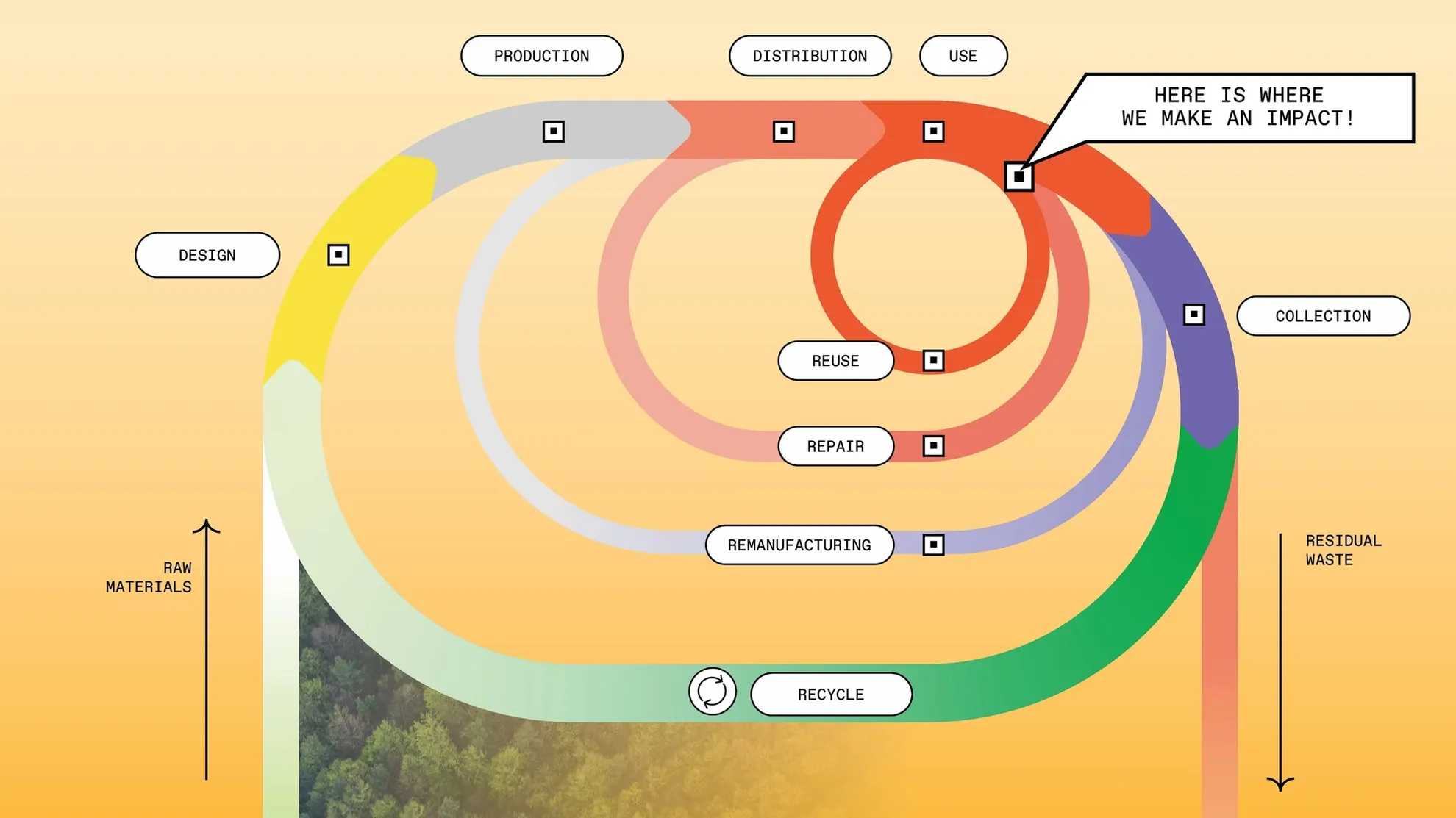
As designers, our responsibility is to engage deeply with the way materials flow during the different phases of a building’s lifecycle. By employing whole systems thinking, we can connect the dots to source what already exists and rehome what we no longer need. The connections we make from project to project, both within and outside the industry, will serve a thriving circular economy.
To do this, shifting our mindset and taking action are required to change the way we perceive and construct our built environment. If we want to transform the way we design while influencing others, we must create a model of circularity shaped for our uniquely Australian context.
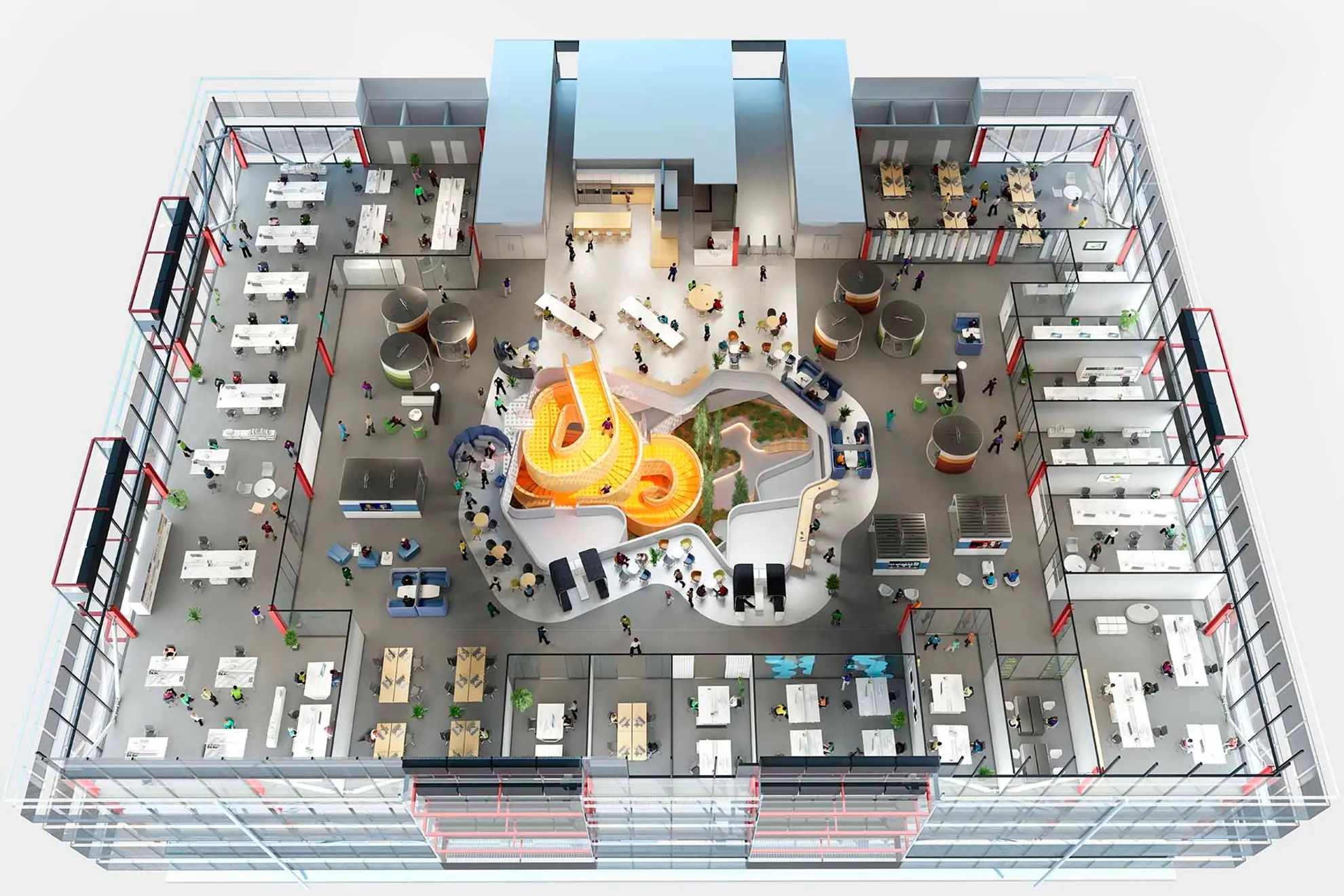
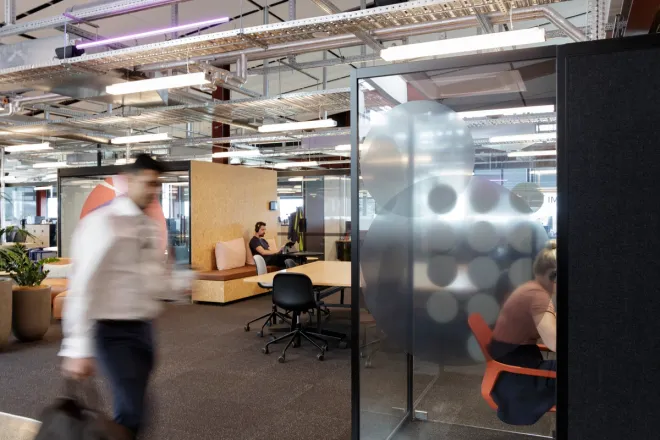
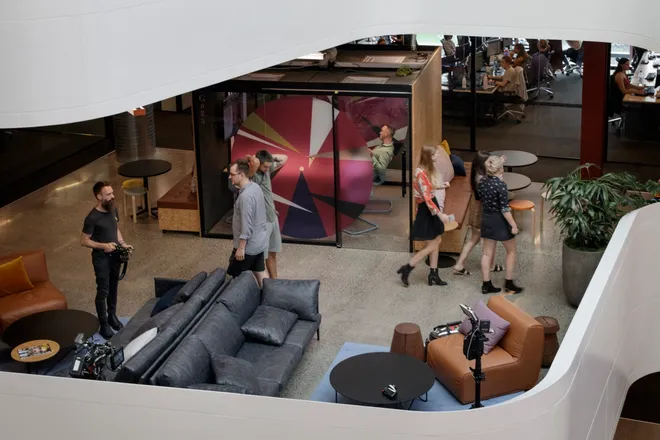
At Smales Farm B:Hive, the floors have been future-proofed through adaptable partitions, ensuring longevity and minimising unnecessary disposal.
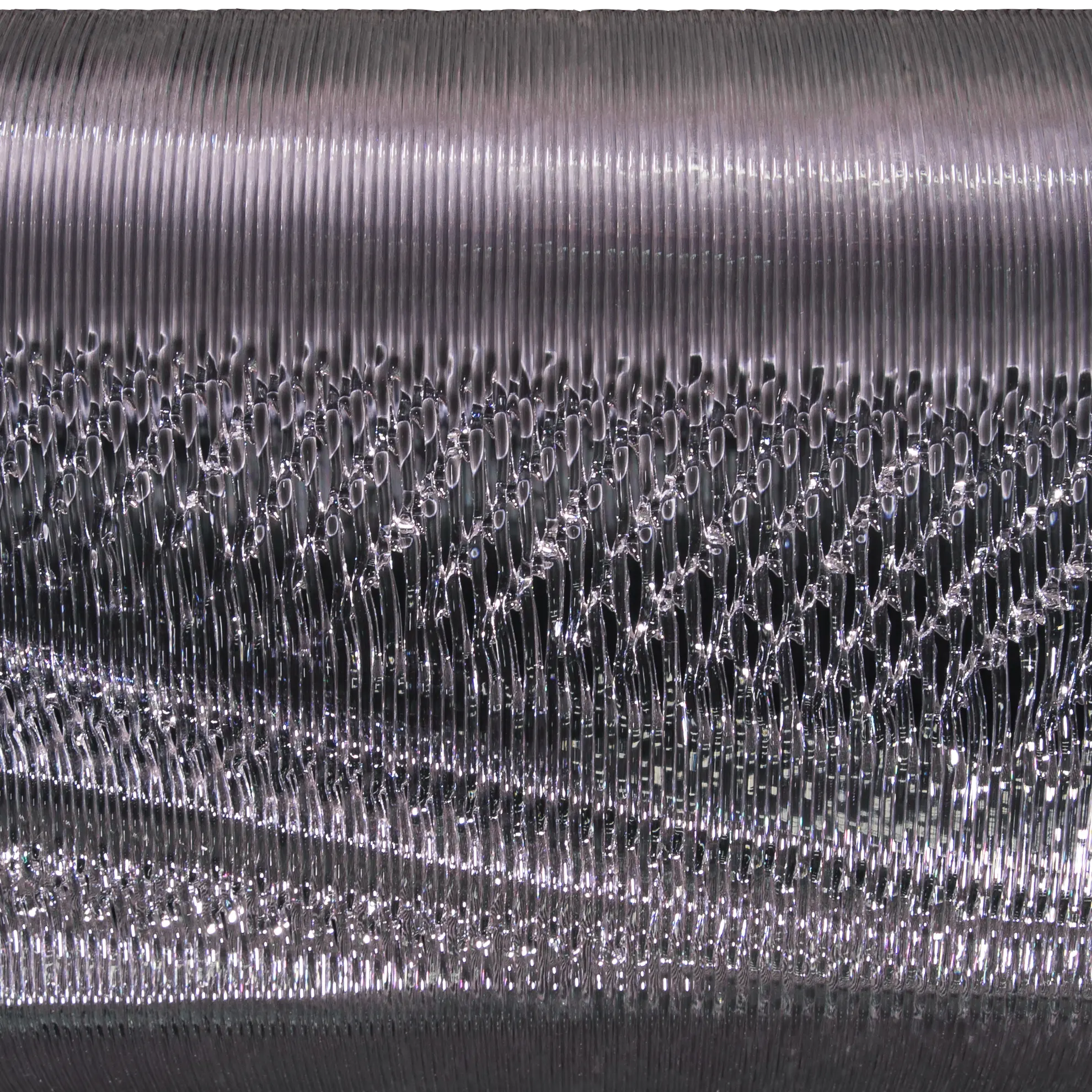
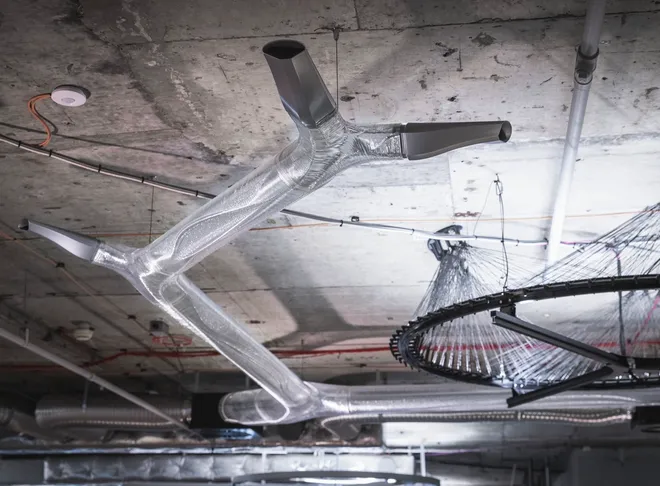
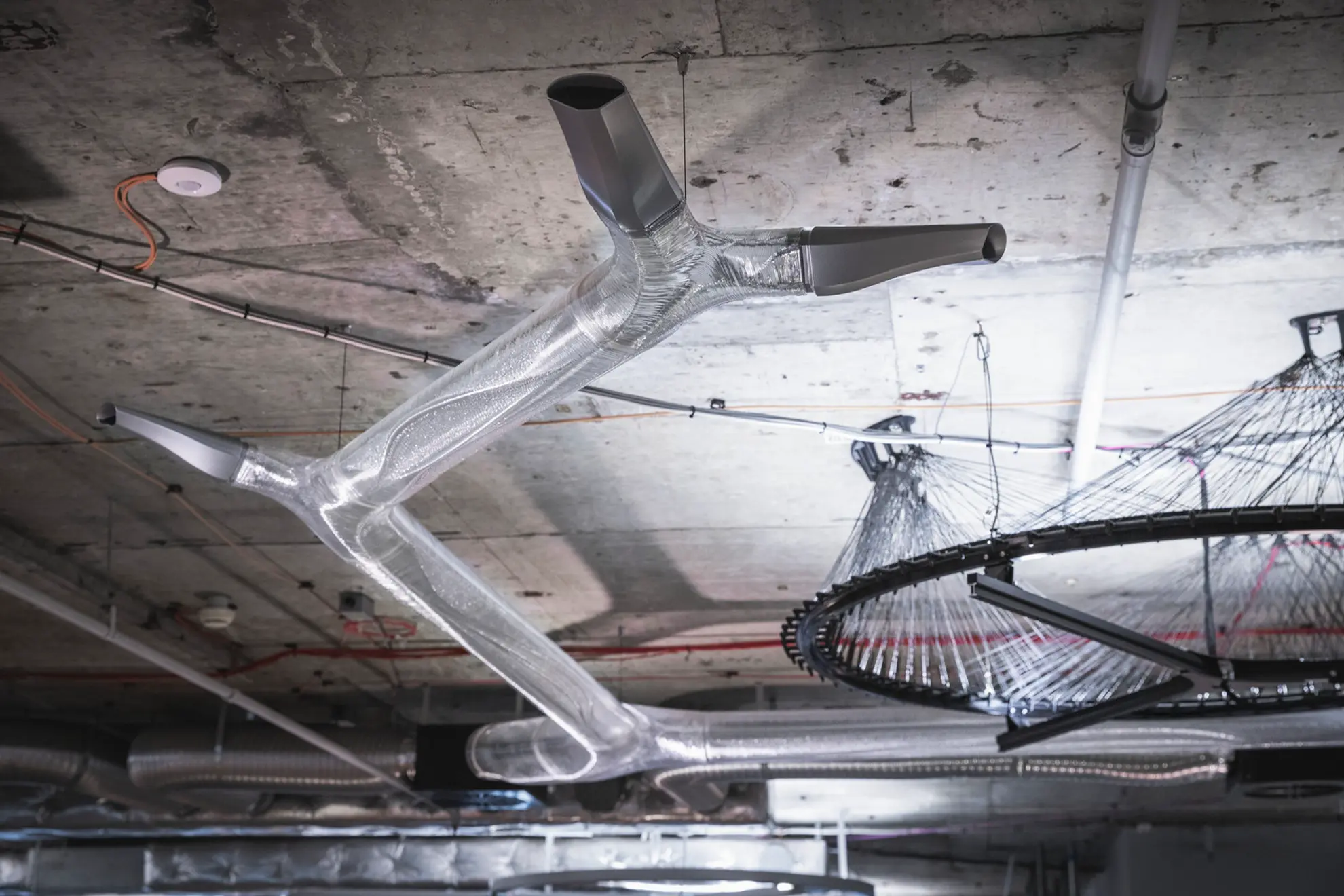
Systems Reef is a revolutionary approach to delivering air into buildings. The system replaces traditional steel tertiary air distribution systems without suspended ceilings. It is designed to connect to standard VAV terminals and combines the functionality of ductwork and diffusers into one cohesive product.
Incubated by BVN, developed by Systems Reef.
Here are some actionable ways we can support circularity
How we talk about the lifecycle of buildings matters. Phrases like ‘end of life’, ‘demolish’ and ‘waste’ reinforce linear thinking. Consciously adopting circular terminology such as ‘next life’, ‘dissasemble and ‘resource’ will reinforce circular intentions.
Our industry has developed norms and conventions around procurement that need to be actively challenged to enable a shift towards circularity. ‘Feasible’ is often defined by metrics of functional, buildable, and cost-effective. However, these measures typically assume costs are not recoverable. With a circular mindset, any cost is an investment that can be maintained and later recovered if we consider whole-of-life value.
Consider the ways assets can be managed and repaired long after project handover. Ongoing maintenance unlocks future reuse.
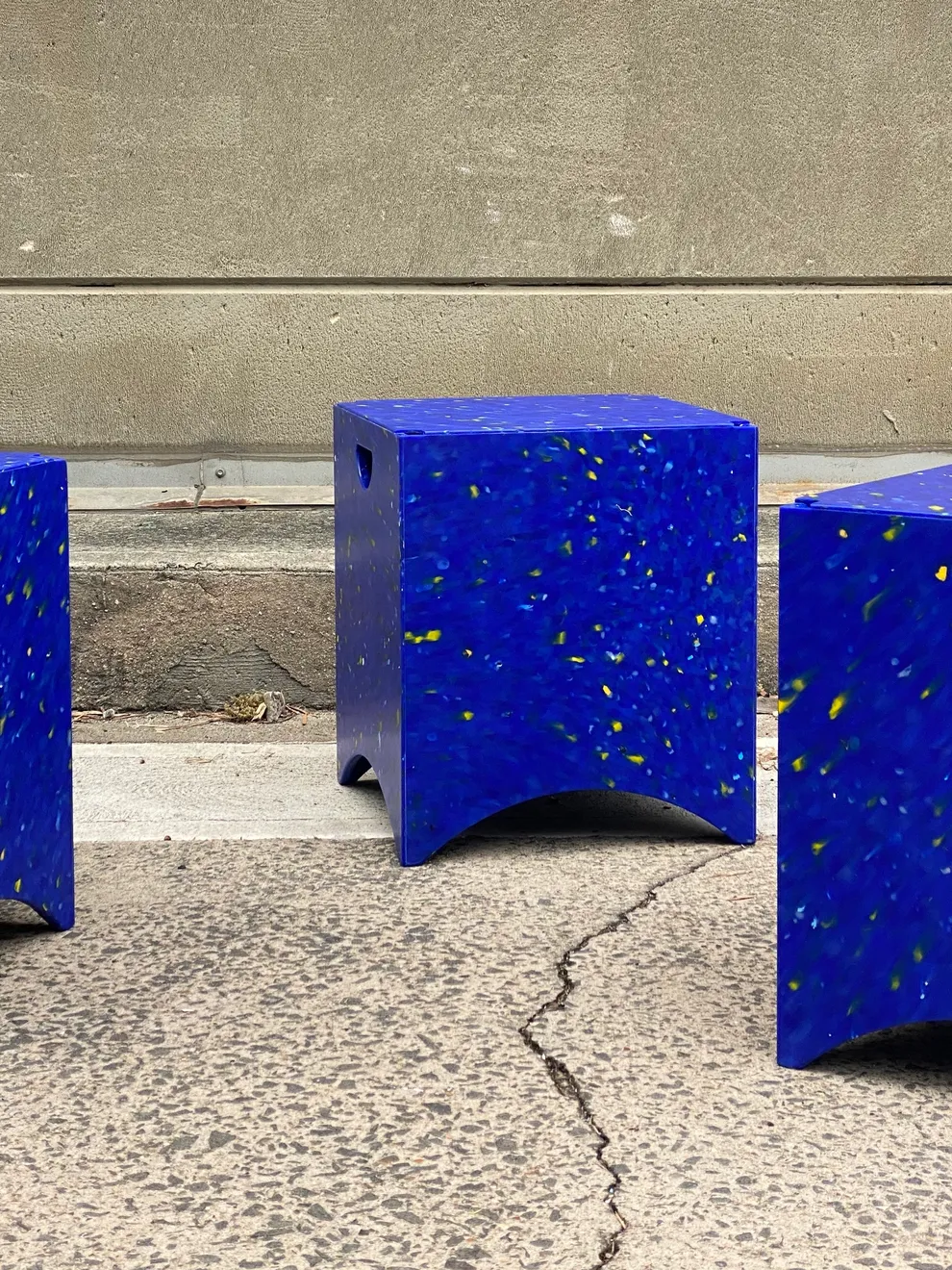
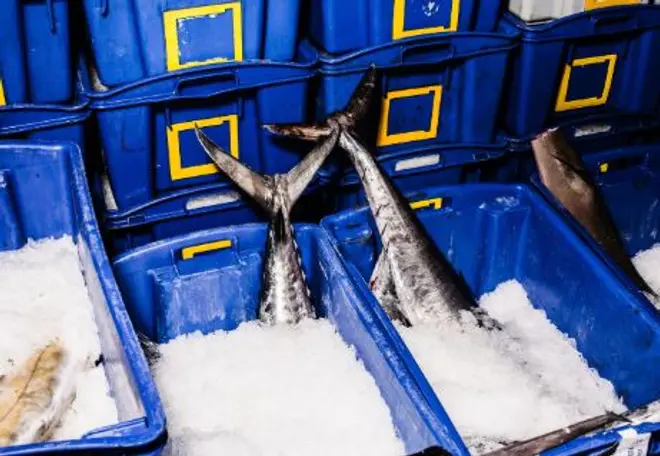
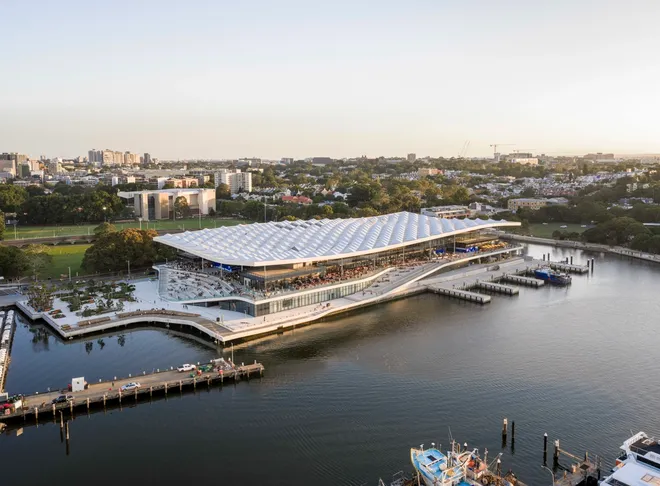
As part of the Sydney Fish Market’s sustainability commitment, around 300 decommissioned blue fish crates – supplied by Sydney Fish Markets – have been diverted from landfill and transformed into exhibition seating. The Re-ply Stacking Brick Stool was designed by BVN, building on an earlier plywood version, and reimagined in recycled plastic by Defy Design, who led material testing, prototyping and fabrication.
Each stool is made from approximately 20 crates (about 60 kg), with the recycled HDPE plastic washed, shredded, and pressed into robust slabs ready for manufacture. This collaboration turns waste into a practical, durable product – an elegant example of circular design in action.BVN in Collaboration with Re-Ply & Defy Design
Commit to specifying and facilitating the use of reused, recycled and biobased products. That might mean helping clients reuse what they already have, rehomingwhat’s no longer needed, or sourcing materials through wider market circulation.
Every building has the potential to contribute to a circular economy. Consider buildings as material banks poised for new life. By detailing for disassembly, de-fit and reuse, the next generation can recoup value and reduce waste with every cycle.
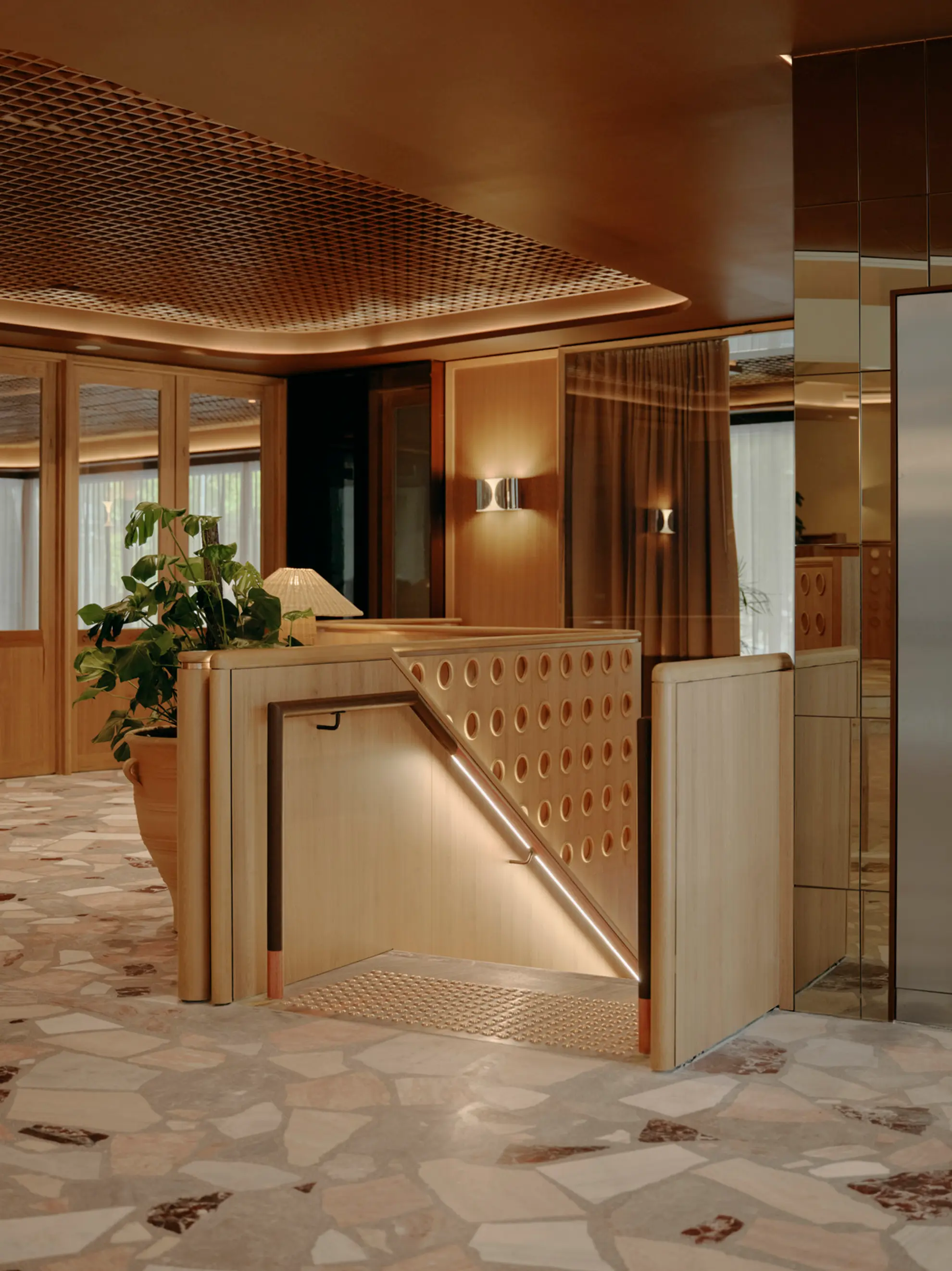
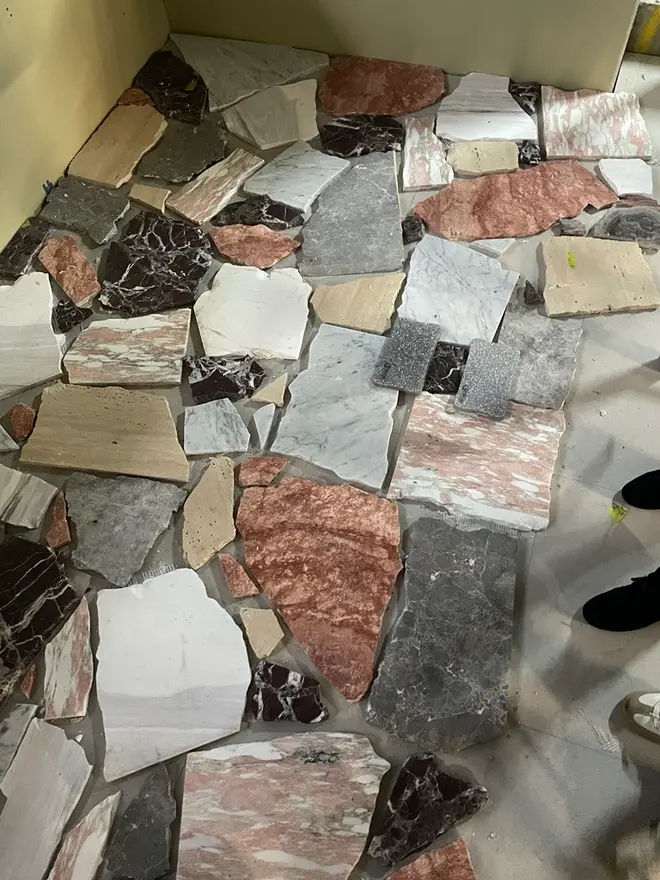
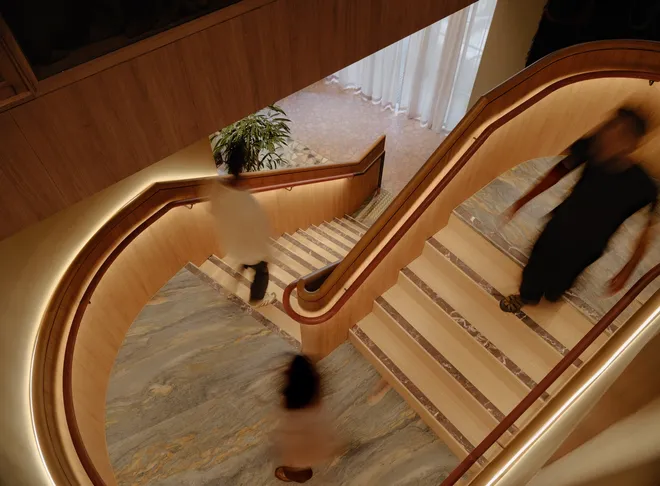
181 William 'The Meeting Place', demonstrates how materials typically considered waste can be repurposed into a refined and cohesive design. The crazy paving floor, made from on-site stone offcuts and surplus fragments from local suppliers, creates a richly textured surface that adds character and reflects a quiet commitment to sustainability.
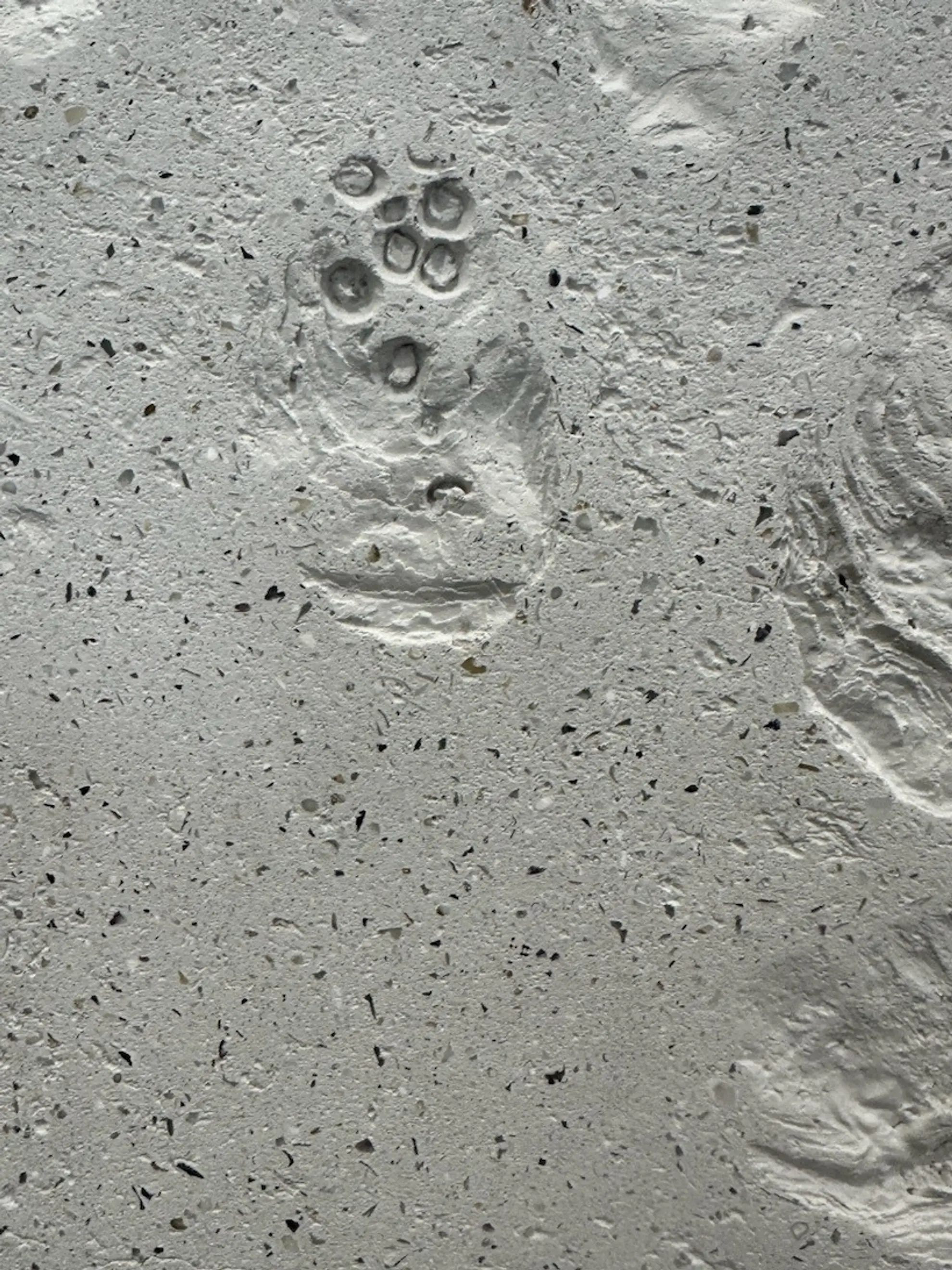


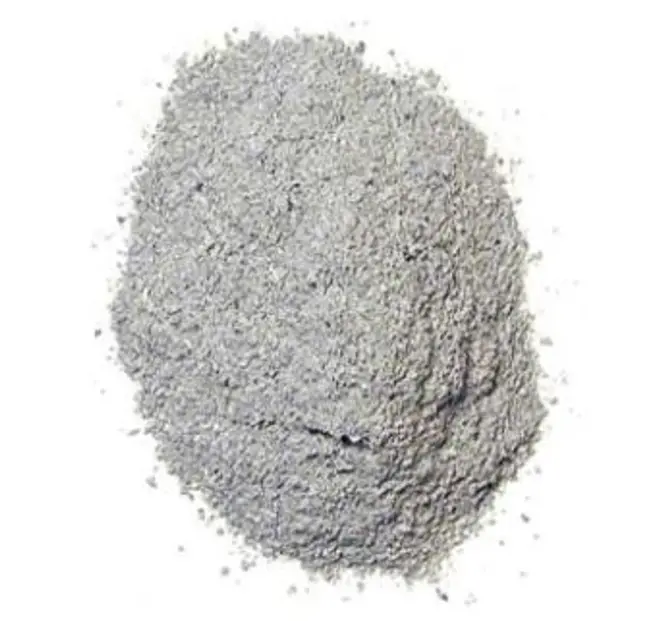
A key feature of the Sydney Fish Market Exhibition space is a rendered wall made using oyster shell waste from the existing market, evoking the feeling of walking on a beach. Developed through a collaborative, research-driven process with Oceanwatch Australia, who supplied the shells and advice, and Bishop Master Finishes, who led prototyping and application, the result is a tactile, expressive surface that reflects both place and purpose.
To make this shift, we’re looking for like-minded teams to collaborate with us in resolving the complexities that come with adopting circularity. This shift requires more effort upfront, necessitates asking different questions, and enables non-linear solutions. By embracing circularity, we can unlock opportunities for material stream applications and relationships within the procurement process together.
We may be running out of resources, but we are not running out of ideas. Australia’s scale, ingenuity, and collaborative spirit give us the tools to rethink the system. Our goal is straightforward: to support the circular economy and inspire others to do the same.