News, Perspectives — June 6, 2026
Melbourne Design Week 2026 Recap: Designing out Waste
With two dynamic events designed to enable and advance circularity, we hit Melbourne Design Week 2026 with a renewed purpose to design the world we want.
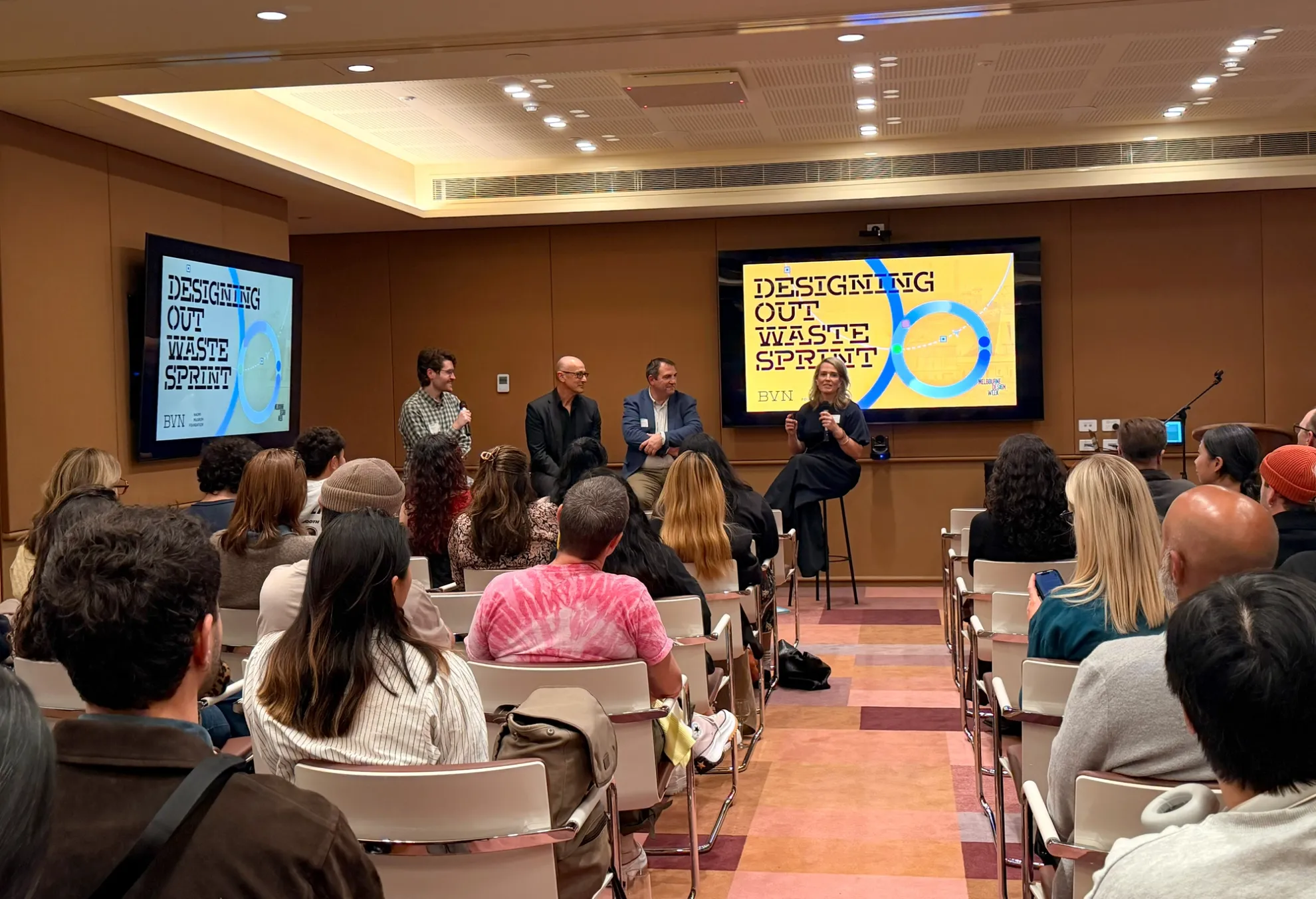
A national platform for design innovation and imagination, Melbourne Design Week (MDW) gathers practitioners, architects, designers and audiences from across Australia and the Globe. In its 10th iteration, MDW 2026 challenged participants and audiences to design the world you want. Our team set out to explore, demonstrate and debate how we might design out waste.
BVN hosted two dynamic events: a design competition for early-career designers at the site of the Richmond Power Station, and a panel discussion and Melbourne launch of our De-fit Guide at the BVN-designed 181 William 'The Meeting Place'.
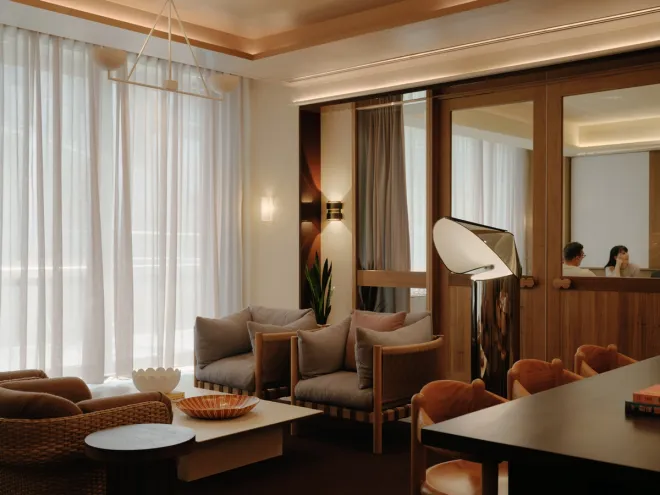
Designing out Waste Sprint
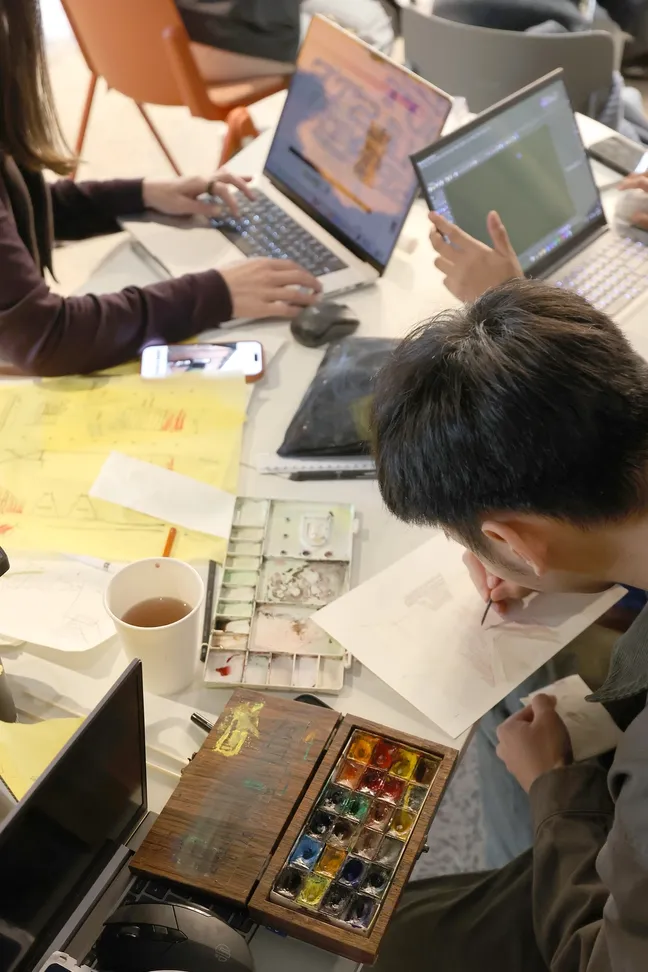
The design sprint gathered thirty students and graduates of architecture, design and industrial design at Richmond Power Station: an historic site now transitioning to become a creative hub (designed by OMA with Nelson + Koo) for the Naomi Milgrom Foundation. Following a tour through the live construction site, teams were given 6 design problems and 5 hours to apply circular design thinking and create a proposition that prioritises salvaged materials harvested on-site. Sprinkler pipe, tiles and steel offcuts: a finite supply of found materials was reimagined as new interventions and presented to our facilitators, Mitch Page, Felix Saw, Alberto Quizon and Adrian Bryce Taylor (BVN) alongside Sabrine Koo (Nelson + Koo) and Elaine Chia (Naomi Milgrom Foundation).
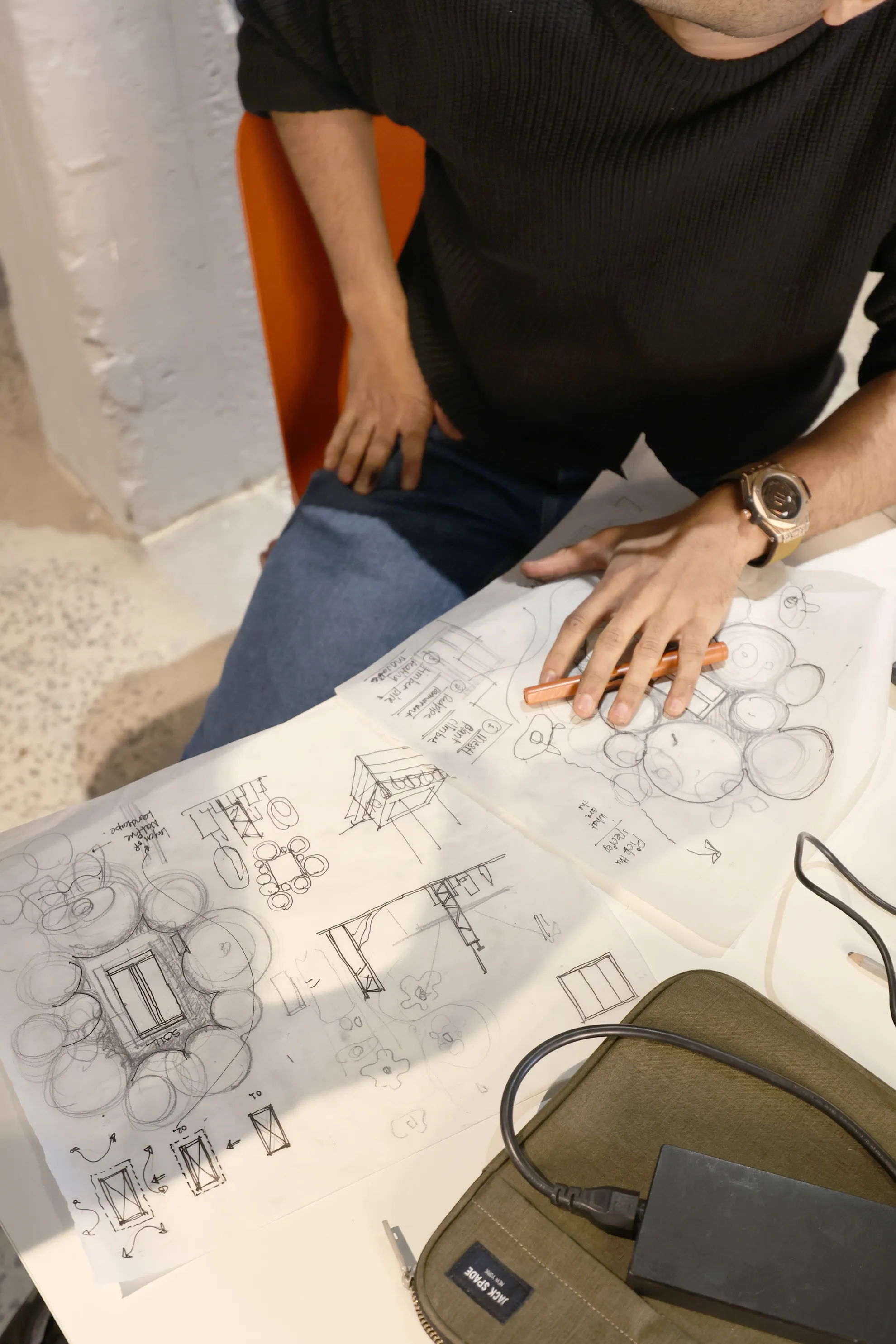
Thirty architecture, design and industrial design students and graduates joined a design sprint and site tour at Richmond Power Station.
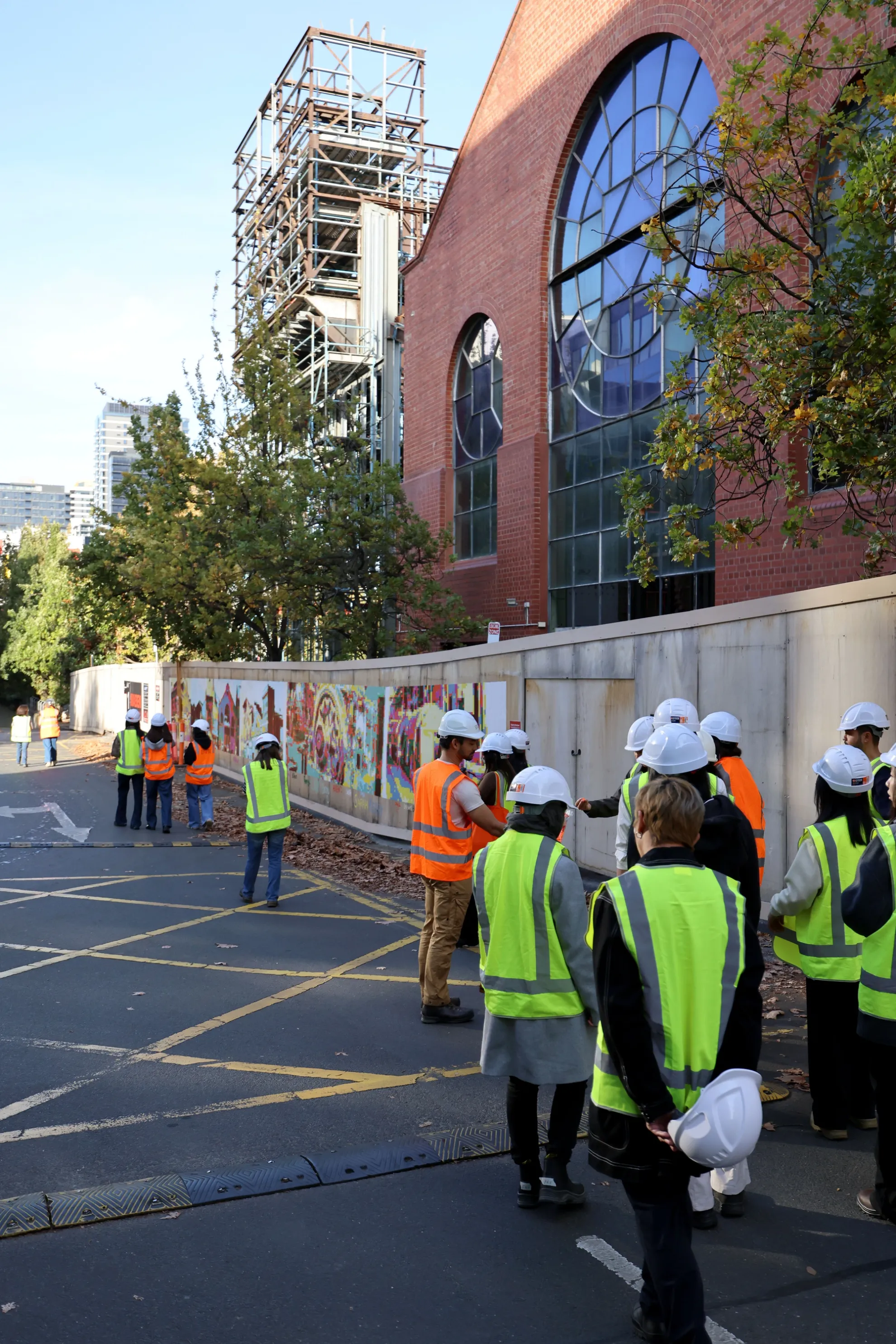
The Re-ssemble team, comprising Joel Polychronopoulos, Jay Anderson and Zara Purkiss, was crowned the winner! The team proposed a 3-part screening system that could serve as an exhibition panel, a seat or a room divider. Made from salvaged aluminium sections and expandable mesh, the repeatable system offers a range of transparencies and folds flat for storage. The jury was impressed by how the team understood and embraced the brief, as well as the actionable ideas they proposed.
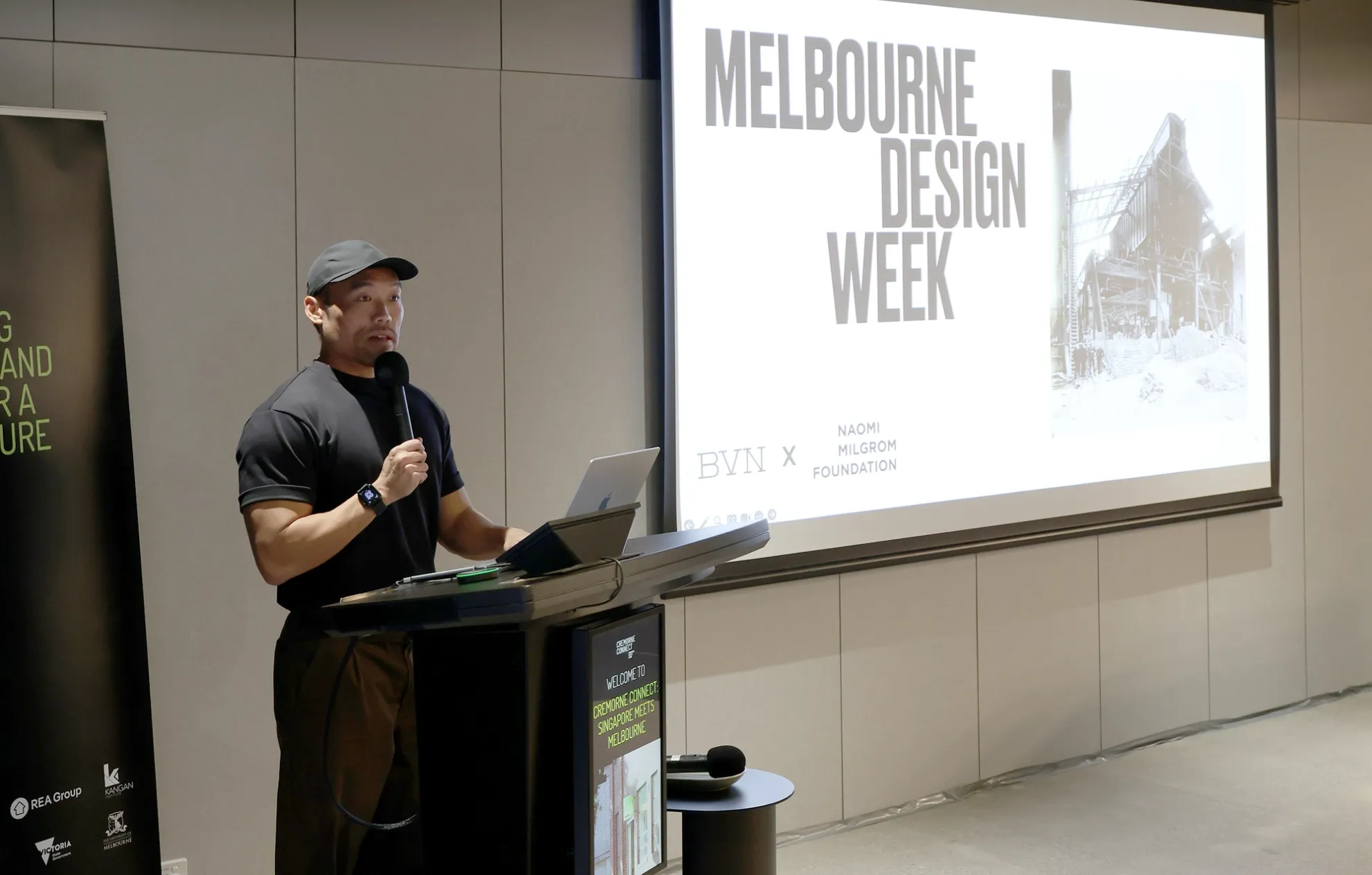
The design sprint was chaired by Mitch Page, Felix Saw and Alberto Quizon, supported by Adrian Taylor, Sabrine Koo and Elaine Chia, guiding teams through a five-hour circular design challenge.
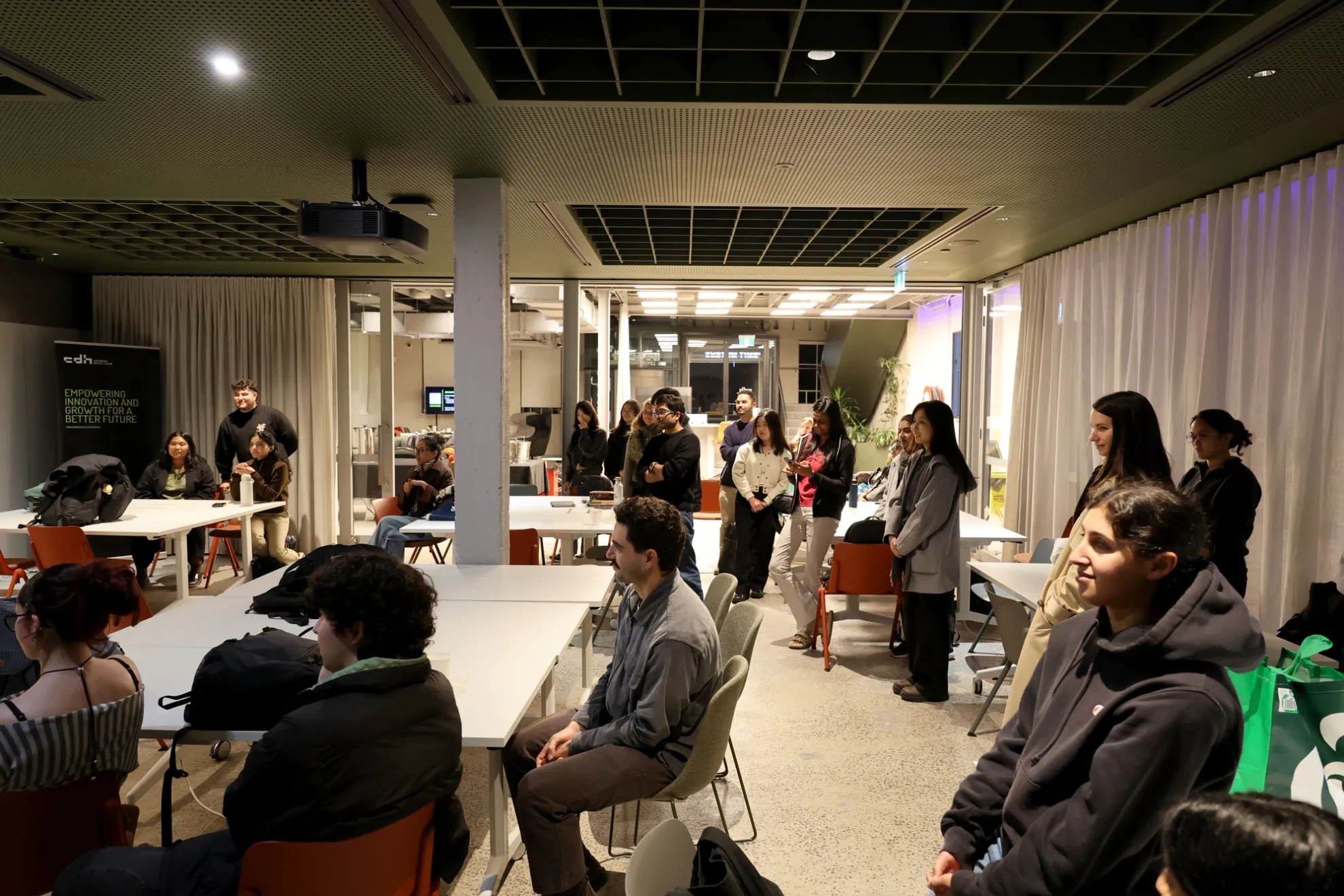
Designing out Waste Panel
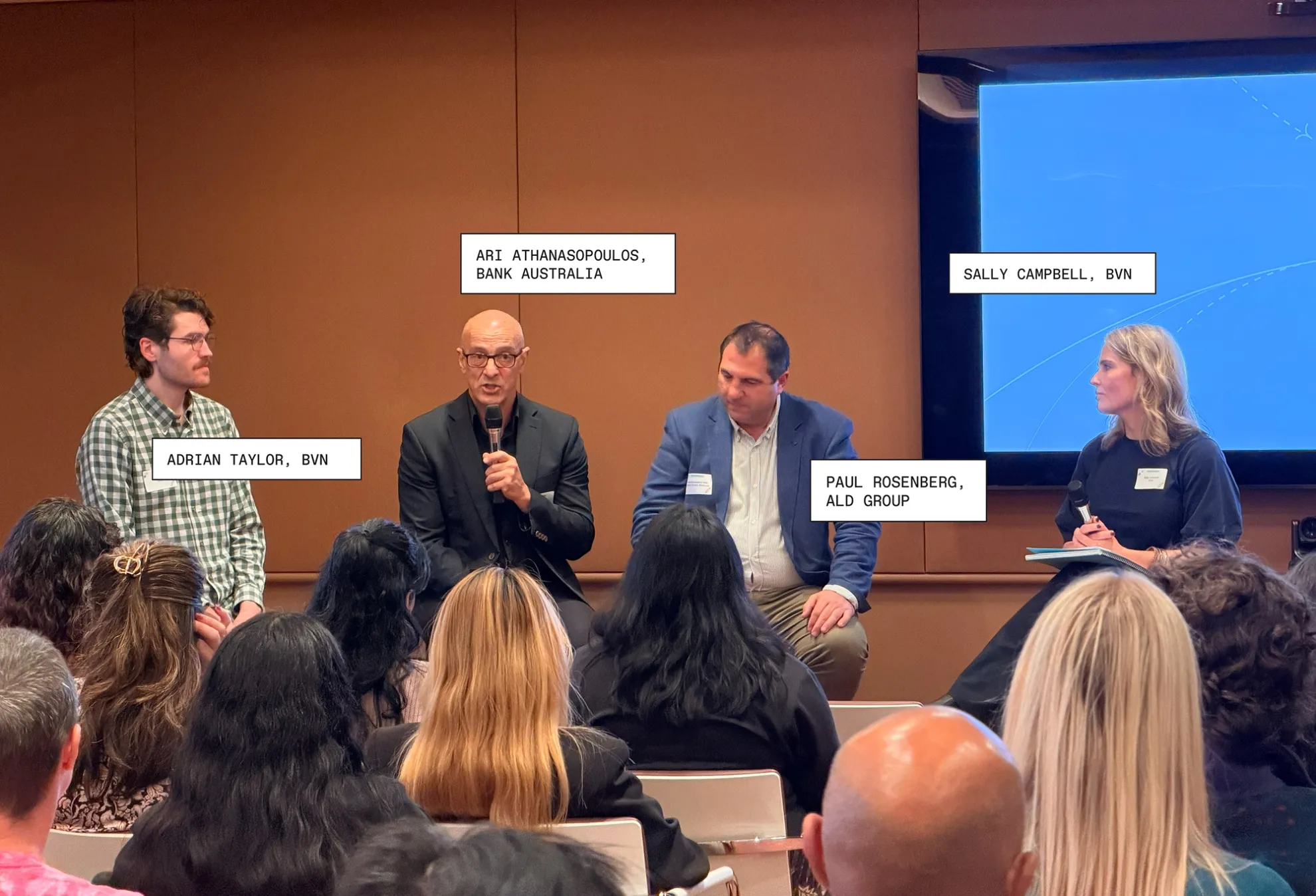
Continuing our mission to extend material lifecycles, support local reuse networks and create lasting value, we shared our de-fit guide with an engaged Melbourne audience at our dedicated panel event. BVN’s Sally Campbell 


The real thing we are seeing is a change in the perception of value. We’re seeing more clients using what they already have, embracing refurbishment and investing in the long term by spending more upfront to secure a high-quality result and lower costs at the end of life.
Adrian Taylor, BVN Regenerative Lead.
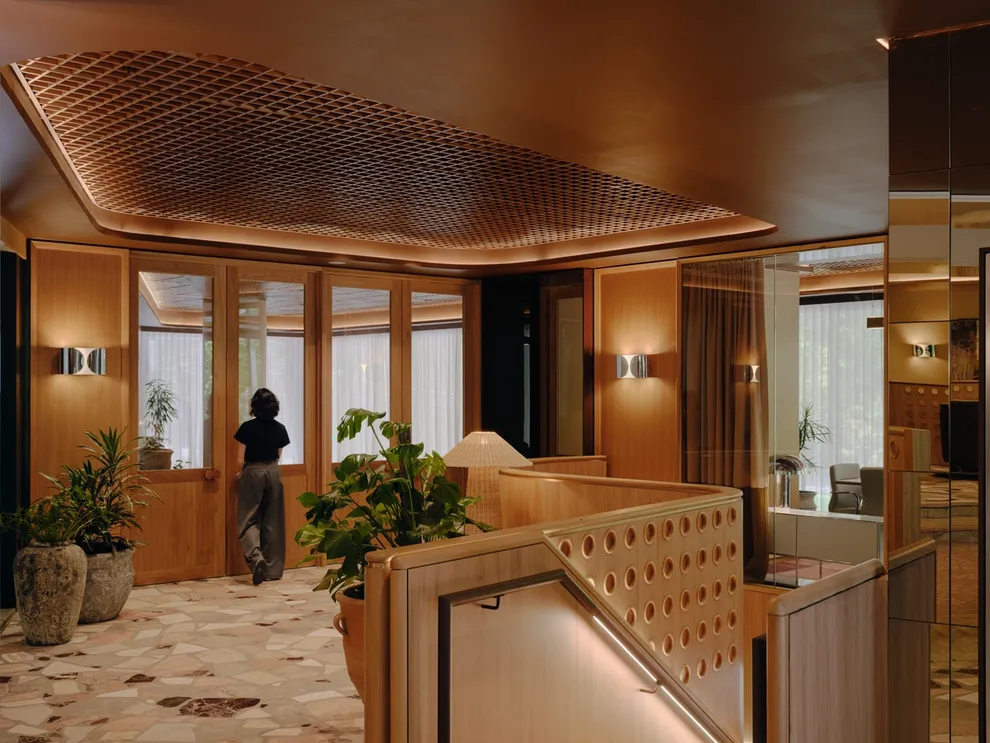
Ari shared his experience with the ANZ Breathe concept; a modular kit of parts that enables a repeatable fit-out across multiple stores. It's designed so that at the end of the tenancy, branches can be repurposed and redeployed. Following this experience, Ari transitioned to his new role at Bank Australia and founded a collective called Kiklo. Ari’s current procurement role at Bank Australia puts sustainability at the top of the organisation, analysing services and systems to ensure they meet sustainability goals – from software to furniture.
BVN Regenerative Lead, Adrian described the event as both a natural continuation of the discussions in Sydney and Brisbane and a maturing of the conversation around the circular economy. Promisingly, he feels that industry sentiment has evolved from simply asking whether it’s a good idea or even possible to now focusing on tangible ways to embed circular practices through action-oriented steps and real industry supply chains.
Good reuse requires designers – it's not that circularity will become mass-produced; it's that designing with salvaged materials will become more accessible
Adrian Taylor, BVN Regenerative Lead.