News — August 21, 2025
BVN takes on the World Conference on Timber Engineering
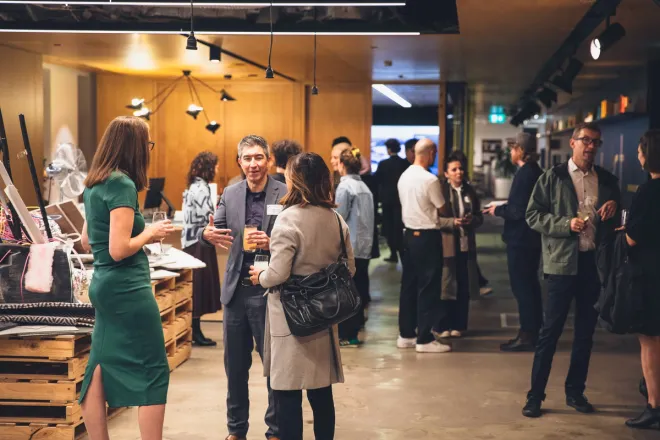
In June, we joined a global community of architects, engineers, researchers, and industry leaders to explore the transformative potential of Timber in Construction at the World Conference on Timber Engineering (WCTE) 2025.
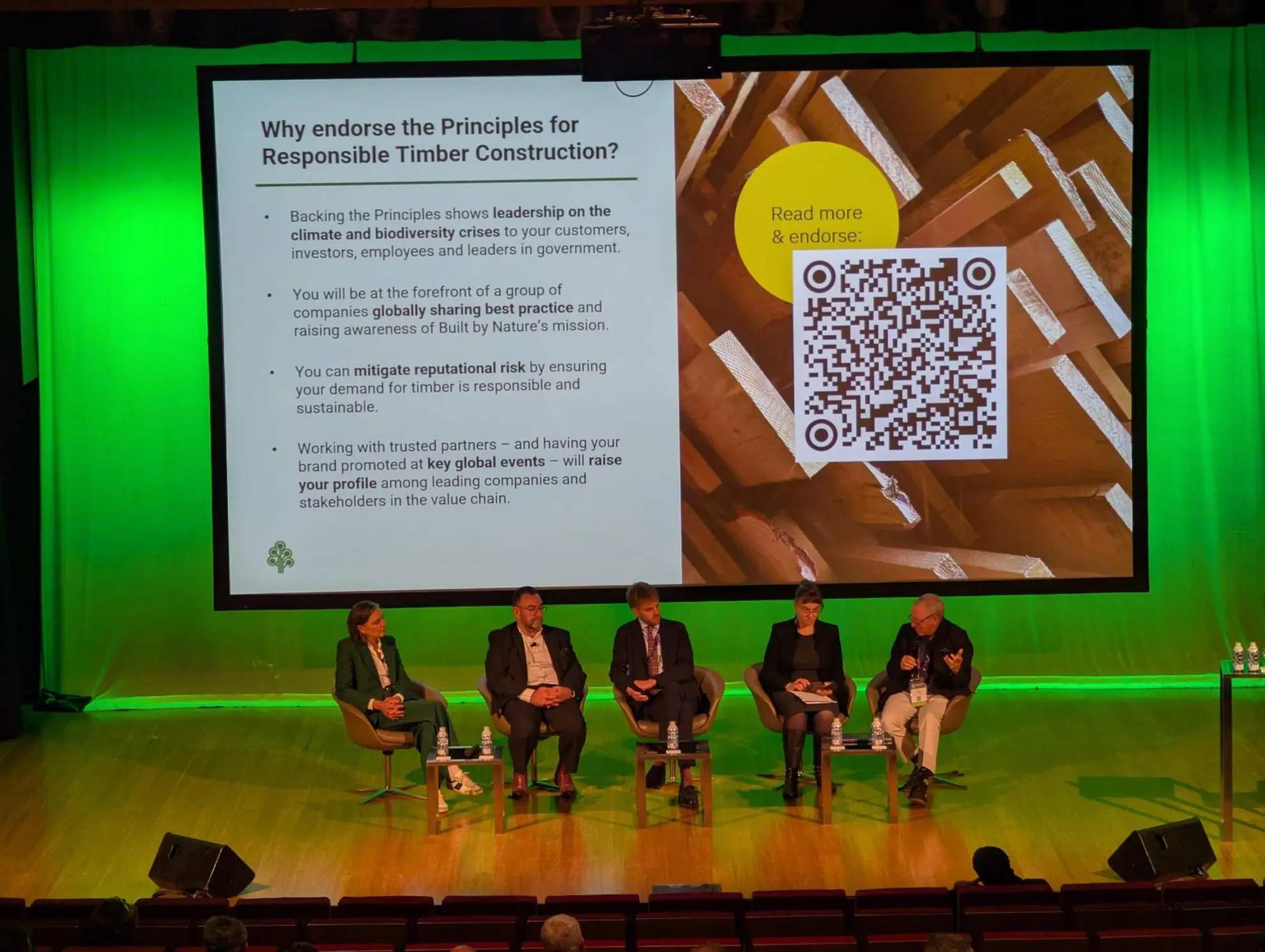
BVN's participation at WCTE 2025 is part of our ongoing commitment to pushing the boundaries of sustainable construction and supporting members of the Advanced Timber Hub, key advocates, researchers and innovators to advance timber construction across Australia.
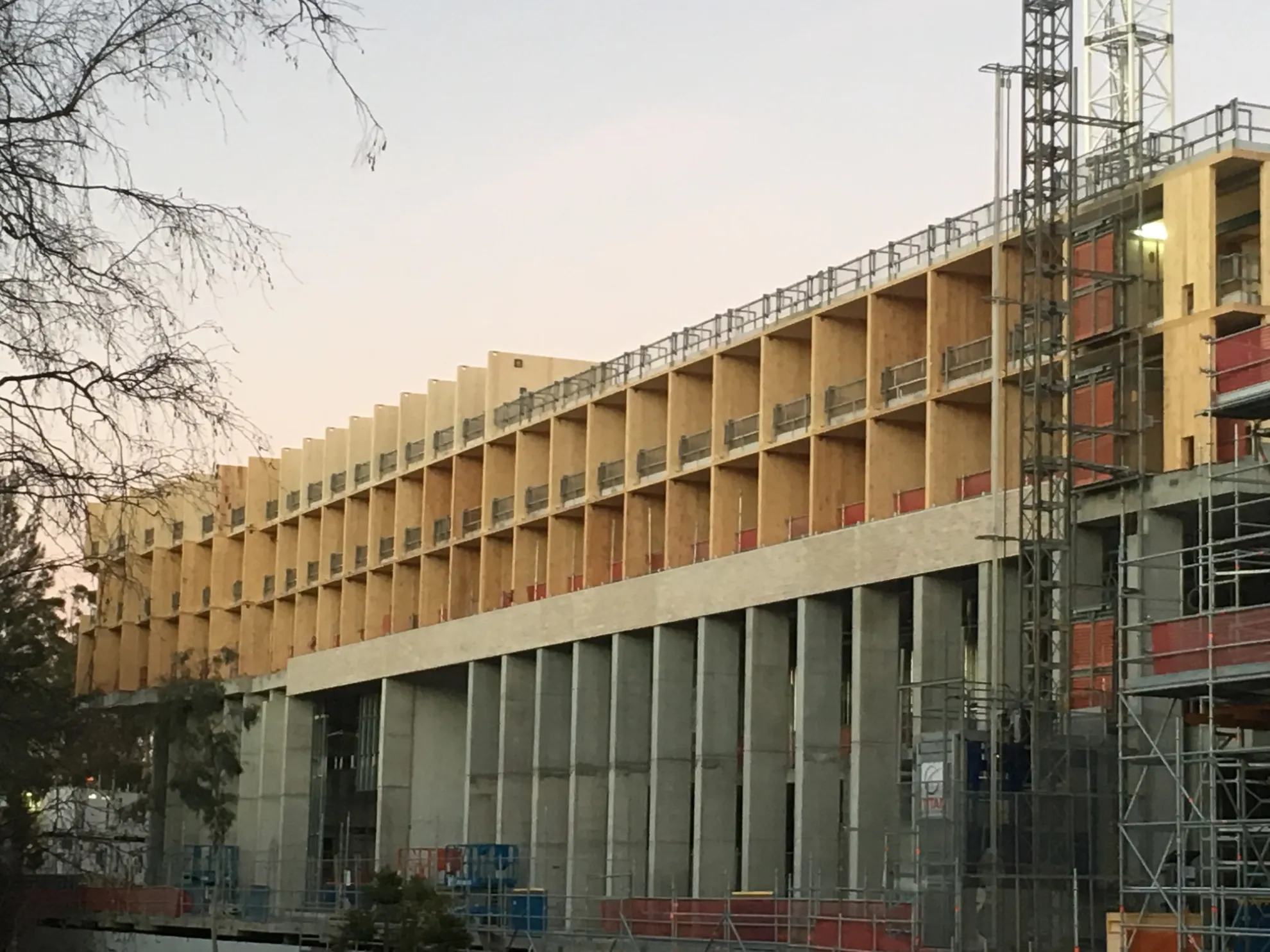
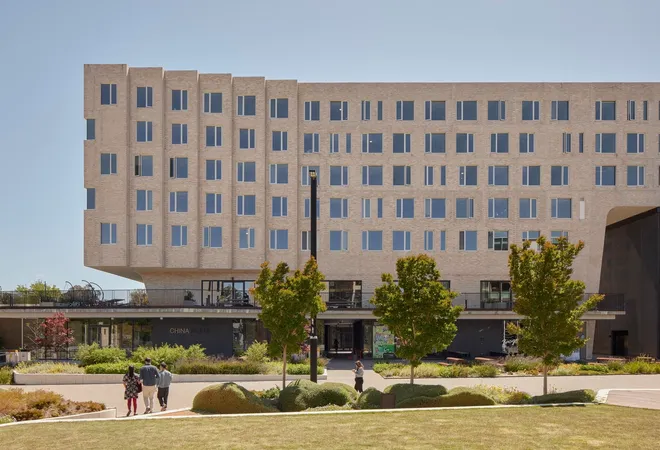
The 500-bed Student Accommodation building and the Marie Reay Teaching Centre at ANU Kambri are mass timber construction with prefabricated and elemental facade systems.
This was one of the largest timber construction projects in Australia at the time of it's completion in 2019.
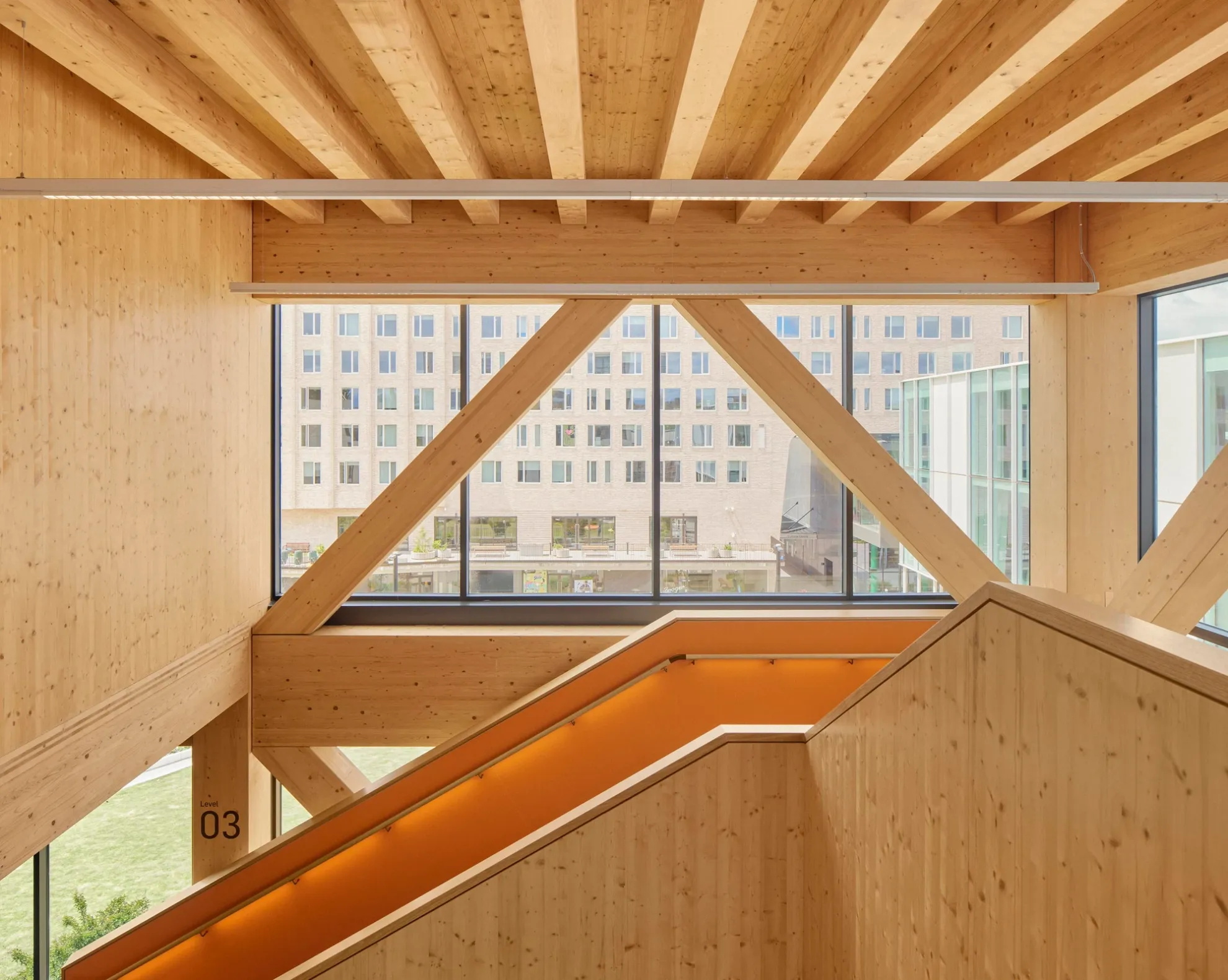
WCTE 2025 attracted over 900 attendees from 44 countries — a community with a rich history and noborders. This year’s conference continued and evolved the long-term discourse on Mass Timber Construction (MTC).
First presented in 2008, mass timber was touted as playing a key role in combatting climate change through sequestration. It is now clear, through demonstration projects such as Atlassian Central,
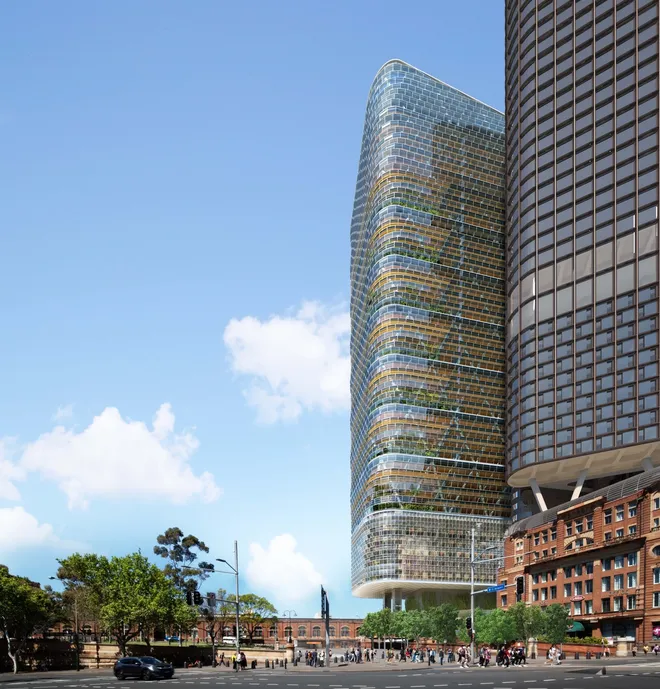
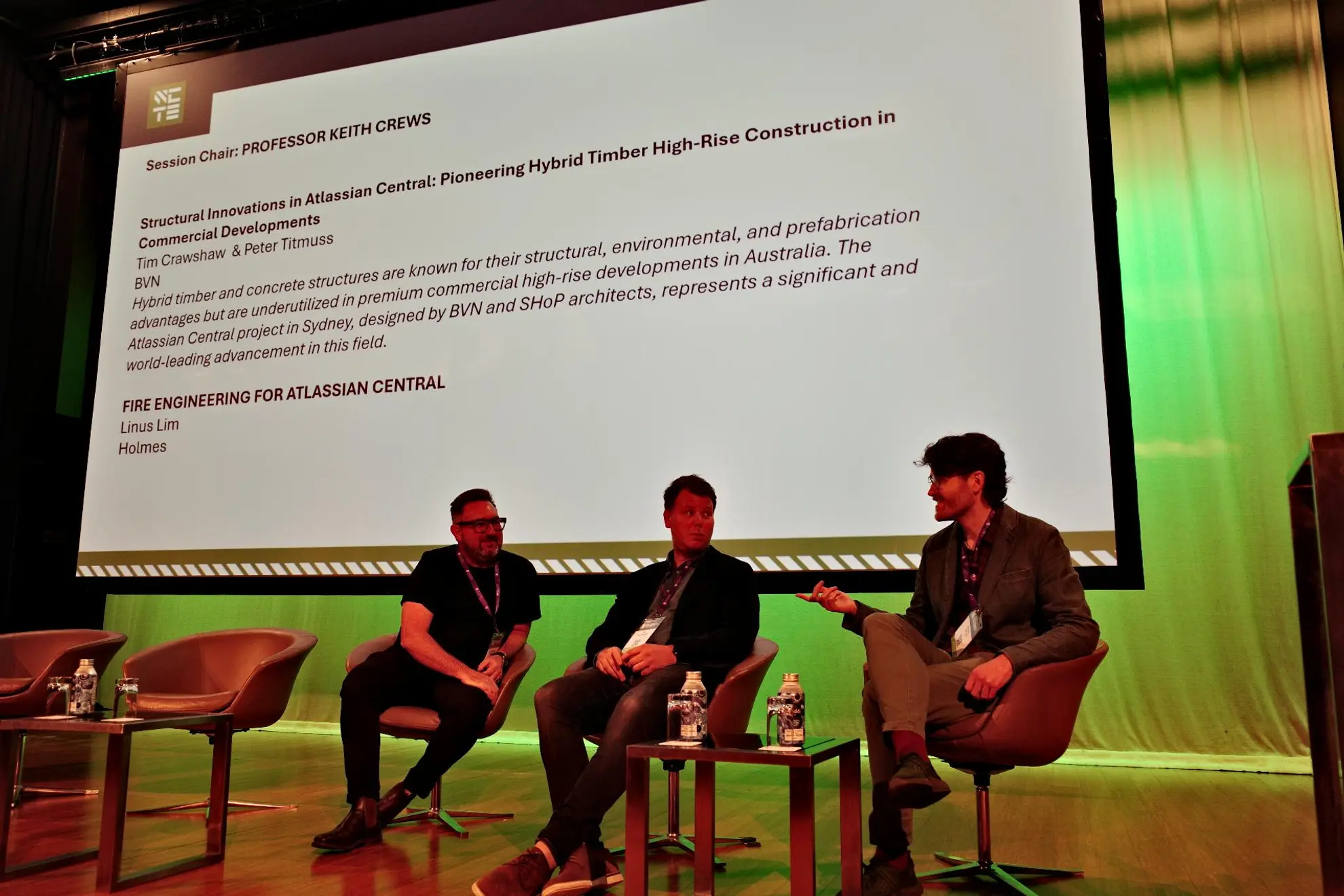
Through the diverse range of presentations, posters, keynotes and discussions between sessions, we witnessed how mass Timber plays a growing, if not leading, role in a construction industry searching for sustainable solutions. Here's a quick summary of the key topics.
Designed for Manufacturing, and its cousins, designed for assembly, disassembly, or reuse, are each a consistent enabler of contemporary timber engineering.
They provide the competitive edge against incumbent construction methodologies through precise pre-fabrication for quicker, safer construction. Computational design tools were also spotlighted for tackling highly regular modularised systems and bespoke free-form timber structures.
Circularity was identified as a key conference topic as carbon sequestration only works if timber remains in use. It was noted during a keynote session that circularity is critical to tackle the 1,741,000 tonnes of wood waste produced annually in Australia. Various methodologies were presented a cross reuse, refurbishment, remanufacturing, and recycling, each to extend lifespan well beyond the standard 50-year lifespan.
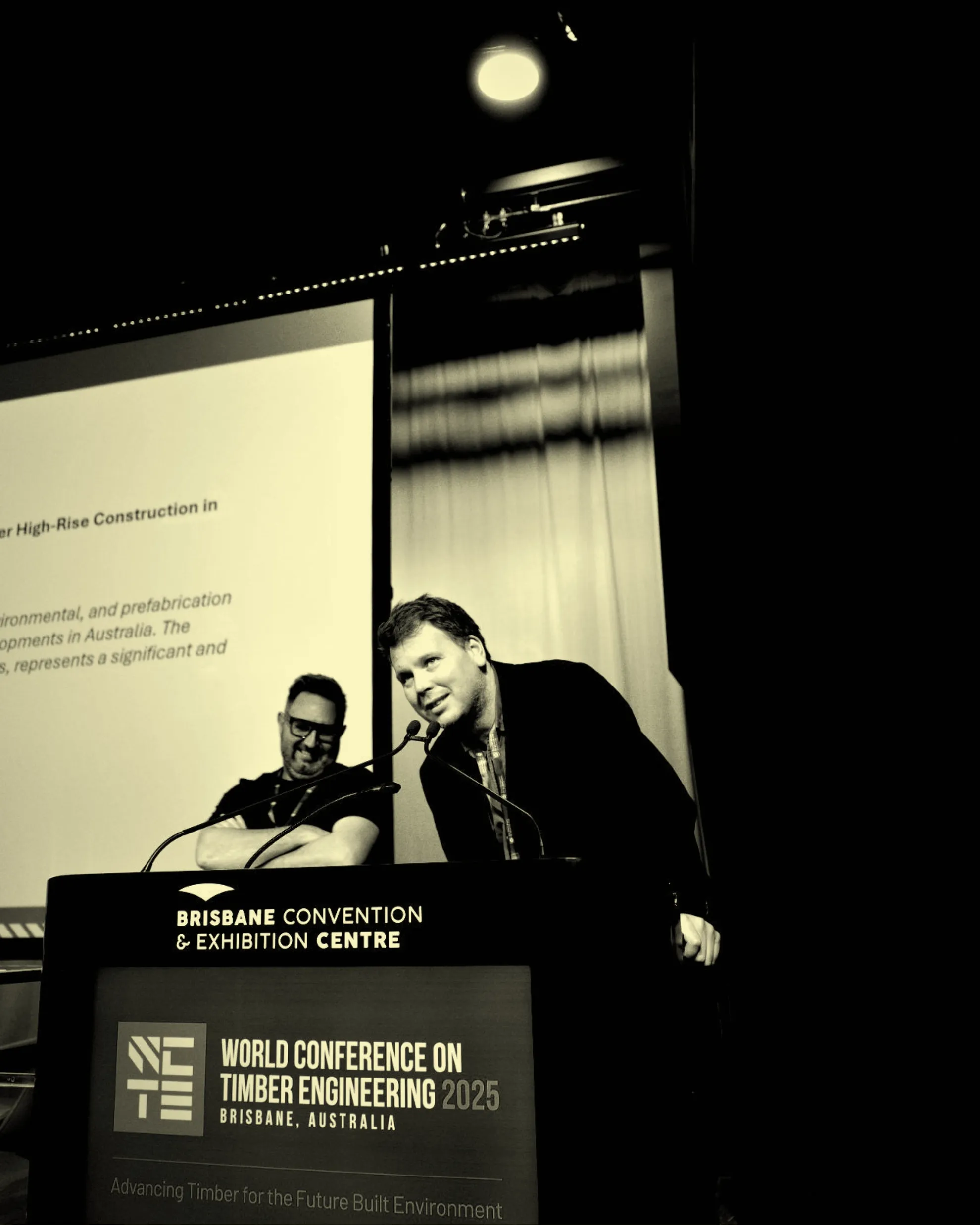
Hybrid Construction came in many flavours, including timber stacked on top of concrete structures or Timber Concrete Composites, where a concrete topping is used in conjunction with a CLT slab to increase spans, fire and acoustic performance. Each investigation considered whereand how timber could best be used in a wider structural strategy. Each of our papers contributed to this topic.
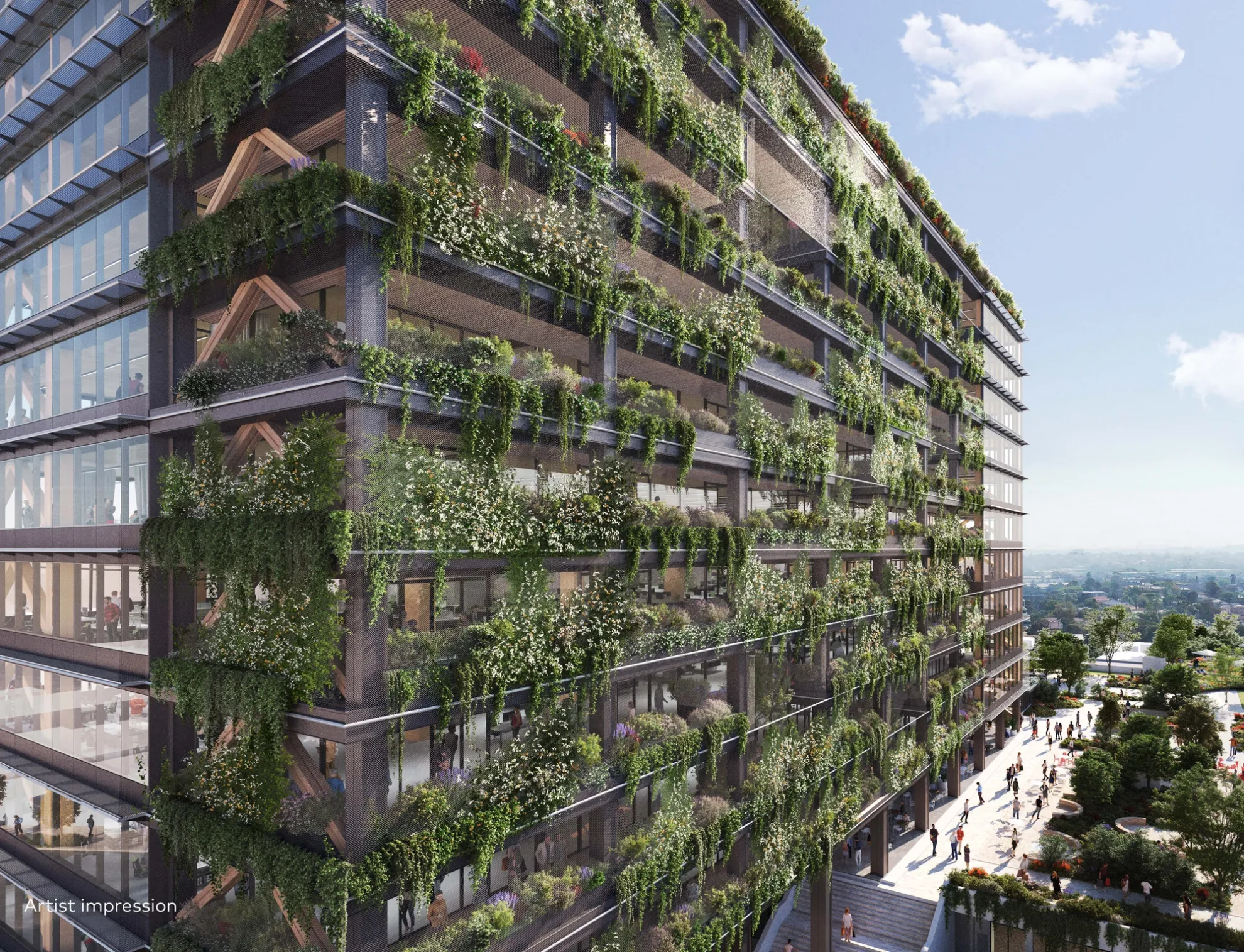
Climate Resilience as a topic drove the most international conversation, with experts from multiple nations sharing their knowledge in seismic performance. Though there are differences in tree species, legislation, and culture, the physics remain consistent globally. Earthquakes, fire, and flood each served as common challenges and opportunities for knowledge-sharing.
Traditional Timber Structures vernacular architecture and ceremonial buildings were featured in a few talks. One investigated the seismic performance of traditional ‘kyo-machiya' houses in Kyoto city and another examined the structural performance of ornamental beams in Korean timber frame construction.
Overlap between cultural heritage and engineering inquiry illustrated the staying power of traditional methods.
Growth in Australian Manufacturing: Not long ago, Xlam was the primary provider of mass timber in Australia. We saw a wide range of manufacturers and suppliers at booths and as speakers, which is indicative of major growth in the Australian industry. Xlamwas joined by Australian Sustainable Hardwoods (Ash), Next Timber, and Loggo, expanding the available products and experts and increasing the diversity of procurement.
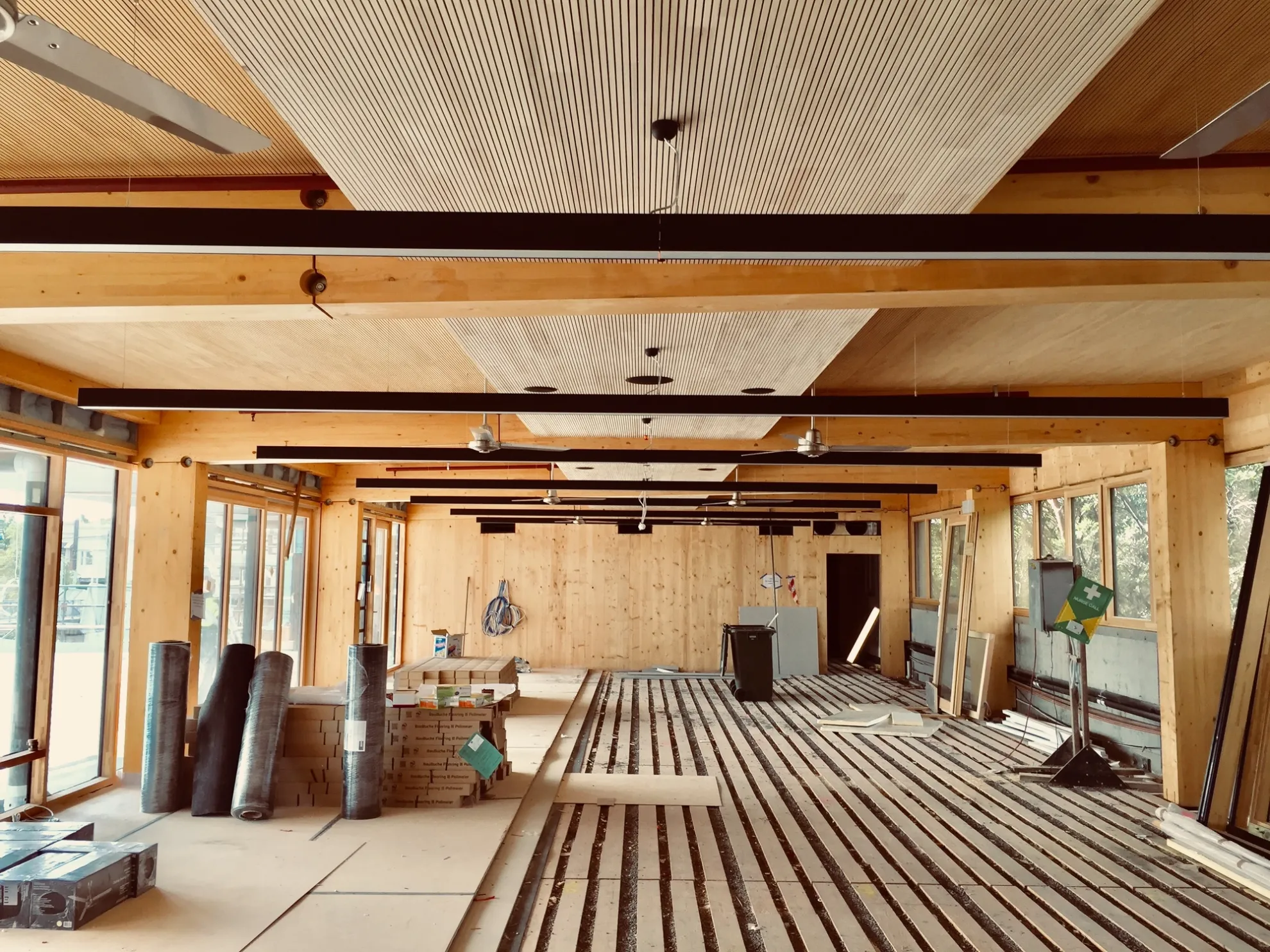
Mass timber prefabrication and modular nature allow for faster construction and reduced on-site labour, resulting in shorter project timelines and cost savings.
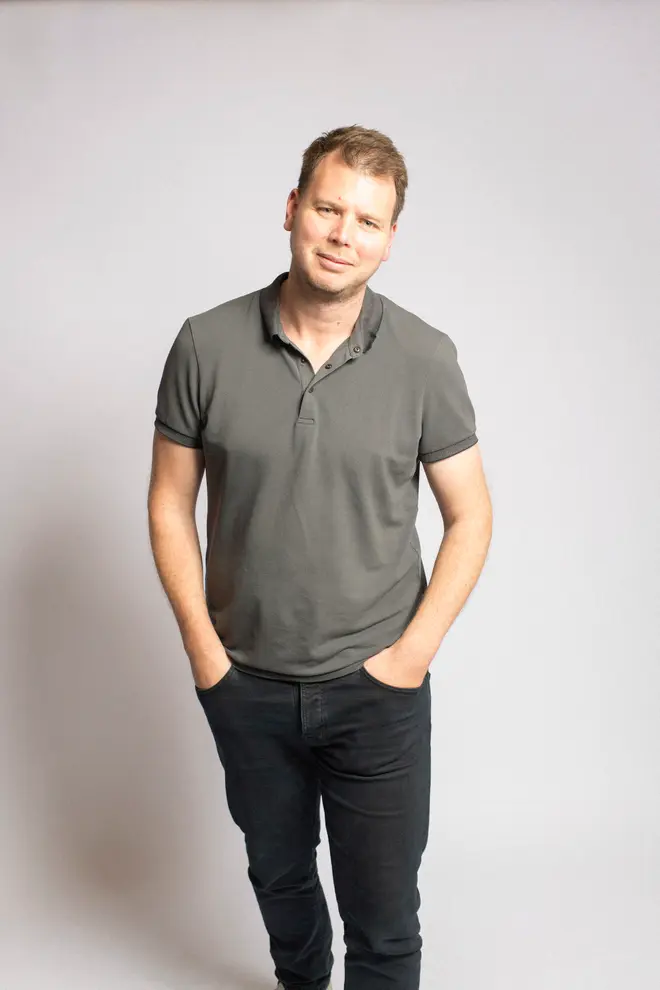
BVN’s Adrian Taylor, Peter Titmuss

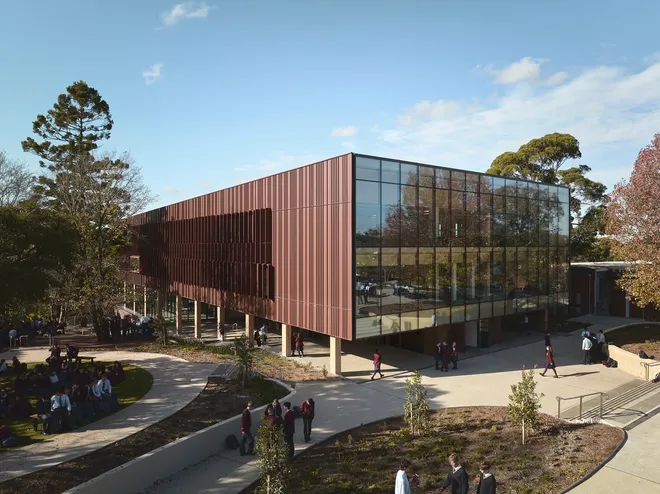
Oakhill College Innovation Hub demonstrates the benefits of using emerging timber products with conventional Construction as well as how emerging products change what is feasible through unlocking greater density in complex sites. Read the paper.
Authors: Adrian Taylor, John Walsh
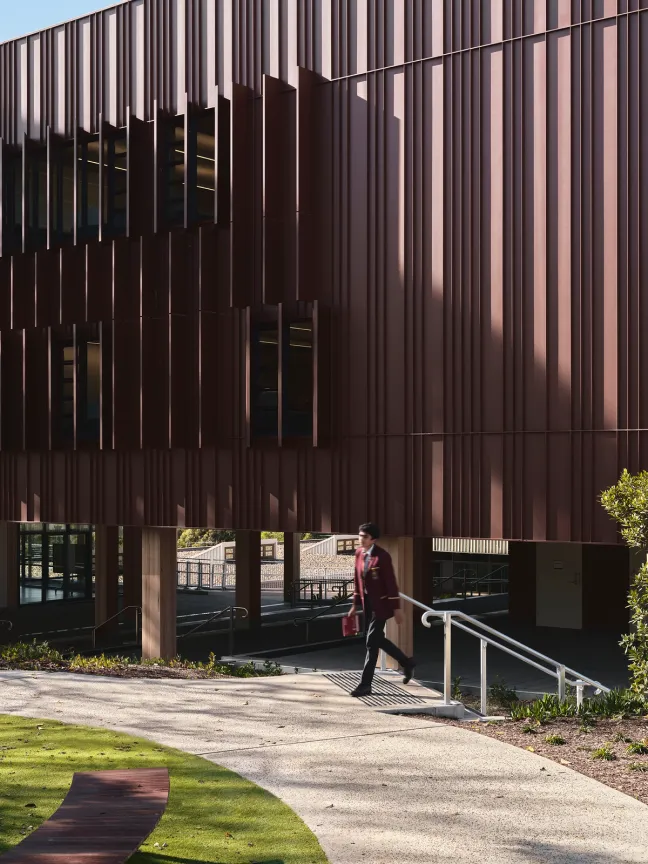
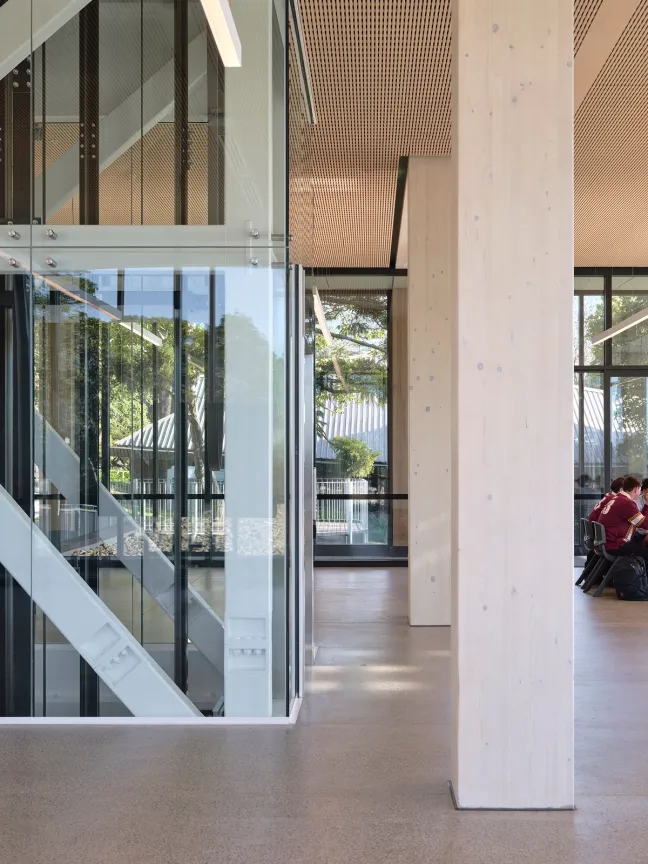
The Innovation Hub, the first large-scale hybrid timber structure in Sydney’s north-west, uses prefabricated mass timber to shorten construction time and minimise environmental impact.
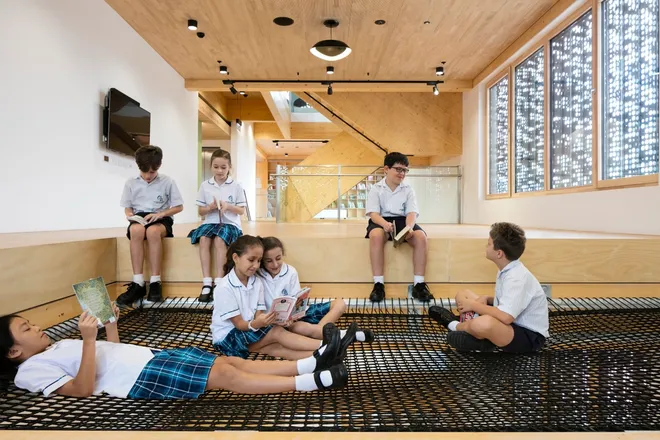
Our Lady of the Assumption Catholic Primary School and Darlinghurst Workplace demonstratehow timber extensions can create density while preserving an existing building. Highlighted was the role of performance fire engineering in achieving connected vertical voids and, where timber remains exposed, a sustainable and naturally beautiful finish. Read the paper.
Authors: Adrian Taylor, James O'Neill, Chloe Naughton
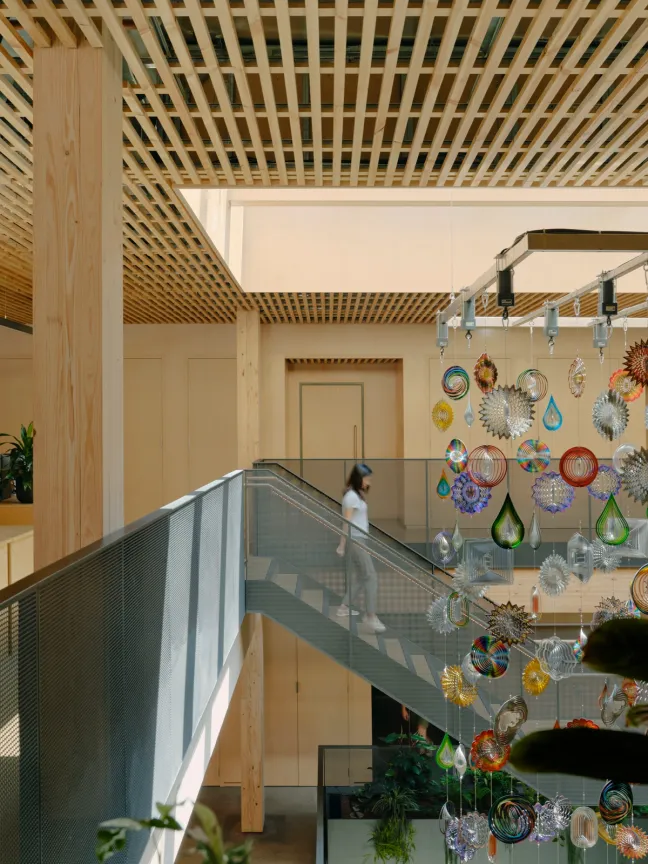
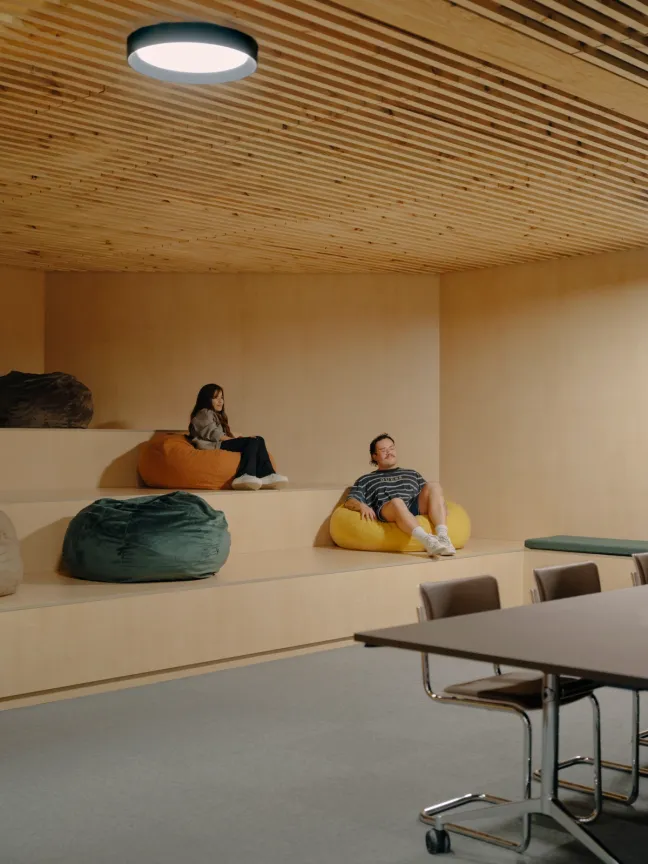
Lightweight and efficient, mass timber made it possible to add a new storey to this heritage warehouse without major structural intervention—while the ground floor tenant remained operational throughout construction.
Timber Construction has seen a steady resurgence, due in equal part to rapid growth in engineered timber products, and the need for low-carbon urban growth in alignment with global net-zero targets. Yet, adopting mass timber construction (MTC) as a 'mainstream' building material is not without its hurdles: supply chain constraints, regulatory gaps, and the risk-averse building industry's lack of familiarity remain pressing issues.
Events like WTCE pool knowledge to support the industry in making MTC mainstream.